French as the Colonial Language
Quebec City speaks French today because of a remarkable history of linguistic persistence, cultural determination, and political struggle spanning more than four centuries. When Samuel de Champlain established Quebec City in 1608, he brought with him the French language as the tongue of administration, commerce, and daily life. For nearly 150 years, French was the unquestioned language of power, prestige, and civic identity in the St. Lawrence River valley. The French language was not merely a tool of communication; it was the embodiment of French civilization and Catholic faith in North America. To speak French in New France was to participate in a grand project of European colonization, religious expansion, and cultural transplantation.
The colonists who settled in New France during the 17th and 18th centuries came from different regions of France—Normandy, Brittany, Paris, Lyon, and other provinces. As they mixed with each other and adapted to North American conditions, their French evolved. The language incorporated indigenous words for geographic features and local phenomena. It developed distinct pronunciations and vocabulary choices reflecting the lived experience of people in a new land. This emerging Québécois French was not identical to Parisian French, but it was clearly French—a language carrying the weight of European civilization and cultural tradition.

Language as Identity in New France
In the colonial period, French was more than a language—it was an identity marker distinguishing the French colonists from indigenous peoples and later from English colonists. The Catholic Church used French in its liturgy and education, making the language inseparable from religious practice. The French fur trading networks that extended deep into North America relied on French as the language of commerce and contract. Government officials conducted business in French. The courts operated in French. Every significant activity of colonial life was conducted in the language brought from France.
Yet even in this period of unquestioned French dominance, challenges emerged. The mixture of French and indigenous peoples created metis populations who spoke French but with their own distinctive characteristics. Scottish and Irish traders married into French families and sometimes adopted French. The arrival of English-speaking colonists in the 1750s presaged the linguistic transformation that would accompany the military conquest of New France. By 1755, the security of French dominance was no longer assured. The Seven Years' War was approaching, and with it would come the event that fundamentally altered Quebec's linguistic landscape: the British conquest.
The Conquest and Language Threat
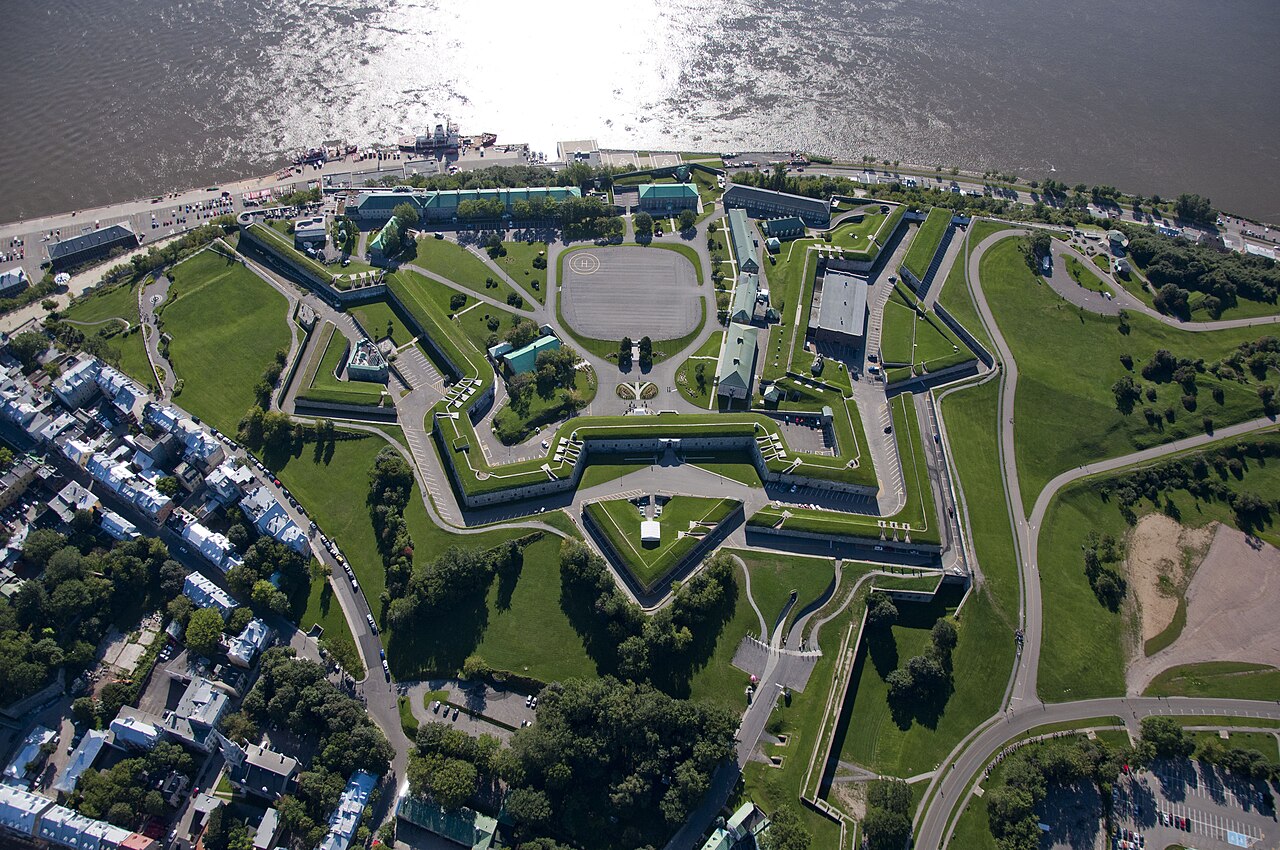
The British conquest of Quebec City in 1759, formalized by the Treaty of Paris in 1763, represented one of the most consequential linguistic moments in North American history. When the British flag replaced the French on the citadel, Quebec's French-speaking population suddenly found themselves subjects of a British empire, their language reduced from the language of power to a minority language within an Anglophone colonial structure. The initial fear among Quebec's French elite and clergy was existential: would French survive at all under British rule?
The British commanders and colonial administrators who arrived after the conquest brought English as the language of government, commerce, and official administration. They imported English-speaking merchants and settlers. They initially attempted to impose English as the language of authority and preference. Yet the circumstances of Quebec—a region with an overwhelming French-speaking majority, a strong Catholic Church with French-speaking clergy, and an established French-speaking merchant class with deep roots—prevented the kind of rapid assimilation that might have occurred elsewhere.
Early Post-Conquest Resistance
The British administration quickly realized that trying to eliminate French would generate resistance and instability. The Quebec Act of 1774 represented a pragmatic compromise: it allowed French law to continue functioning in civil matters and permitted the Catholic Church to operate in French. This decision, while ensuring social stability for the British, had the unintended consequence of preserving French language rights within a specific institutional framework. The Church and the French-speaking legal profession became the guardians of French language and culture during the long period of British rule.
Throughout the 19th century and into the 20th, Quebec's French speakers experienced profound pressure to assimilate. Economic opportunities increasingly required English competence. Business was increasingly conducted in English. English-speaking immigrants arrived and established themselves in positions of economic power. The railway, the factories, the banks—these modern institutions were often English-speaking by default. French speakers found themselves relegated to agricultural and working-class occupations while positions of real economic power went to English speakers or French speakers who adopted English ways.
Language Survival and Persistence
The survival of French in Quebec against the overwhelming pressure toward English assimilation represents one of the great linguistic achievements in history. Several factors worked together to enable this survival. First, French speakers constituted a solid demographic majority in Quebec, making total assimilation implausible. Second, the Catholic Church maintained French as its language of liturgy and education, ensuring that young French speakers were educated in French and connected to French culture. Third, French-speaking merchants and professionals maintained French networks that paralleled English-speaking institutions, creating alternative structures through which French could operate.
Perhaps most importantly, French became associated with French-Canadian identity and nationalism. To speak French was increasingly understood not merely as a practical communication choice but as an assertion of cultural and political identity. This connection between language and identity strengthened the psychological commitment to maintaining French even in circumstances where English might have offered economic advantages. Parents made sacrifices to keep their children speaking French. Communities organized to preserve French institutions. The language became a symbol of resistance to assimilation and a manifestation of distinctive Quebec identity.
The Role of Institution Building
French survived because French speakers built and maintained institutions that required or preferred French use. French-language newspapers, literary journals, and publishing houses kept French alive in the public sphere. French-language theatre and cultural organizations provided venues where French expression could flourish. French-language schools ensured that new generations learned to read and write French properly. These institutions were often created in explicit recognition that French faced threats and required deliberate cultivation to survive.
The labour movement also played a complex role. While some labour unions were English-speaking and incorporated French workers into predominantly English organizational structures, other unions explicitly organized around French identity and used French as the language of organizing and communication. Working-class French speakers developed their own networks, cultural expression, and linguistic practices that connected them to broader French identity even as they worked in difficult conditions.
Linguistic Distinctiveness
Over centuries of separation from France and exposure to English, Quebec French developed distinctive characteristics that made it a language in its own right, not merely a dialect of Parisian French. Quebec French (often called Québécois or joual in its working-class urban form) incorporated English vocabulary, developed unique pronunciations, and created new expressions reflecting the lived experience of French speakers in North America. Some elite French speakers initially viewed this distinctive Québécois French as a corrupted or inferior form of the language. Yet this linguistic distinctiveness—while sometimes an object of shame—also became a marker of identity and authenticity for many French speakers.
Language Heritage Sites
The Quiet Revolution and Language Activism
By the 1950s, Quebec's French-speaking majority was experiencing profound frustration. Despite comprising over 80 percent of the population, French speakers felt economically marginalized, politically powerless, and culturally threatened. English remained the language of big business, higher wages, and upward mobility. The Catholic Church, while preserving French, was also politically conservative and culturally restrictive. A younger generation of French-speaking Quebecers demanded change. The Quiet Revolution of the 1960s represented a fundamental transformation in how Quebec understood itself and its relationship to the French language.
The Quiet Revolution involved the secularization of Quebec society, the modernization of government institutions, and crucially, a reassertion of French-language rights and French-Canadian nationalism. Suddenly, speaking French was not merely about cultural tradition—it was about claiming power, dignity, and rightful place in the modern economy. Young French speakers pursued higher education in French-language universities, demanded that businesses operate in French, and insisted that the state use French in its institutions and communications.
Language Laws and Political Struggle
The transformation of French from a residual language of tradition to a language of modern power required political action and legislation. The Bill 101 (Loi 101), passed in 1977, established French as the official language of Quebec and mandated French language education for most children. It required that businesses with more than a certain number of employees conduct operations in French. It established the Office of the French Language to monitor and enforce language use. These measures were controversial—some saw them as necessary protection of French in a North American sea of English; others viewed them as discriminatory against English speakers.
The language debates of the 1970s and 1980s were passionate and sometimes violent. Some English speakers felt that French-language laws discriminated against them. Some French speakers argued that the measures did not go far enough. The politics of language became entangled with questions of Quebec sovereignty, with different visions of Quebec's future as either a province within Canada or an independent nation. These debates shaped Quebec politics for decades and continue to influence political discussion today.
"We are not fighting for the survival of French as a museum piece, but for the right to live, work, and create in French in a modern North American context." — Camille Laurin, architect of Bill 101
Contemporary French in Quebec
Today, French remains the predominant language of Quebec City and throughout the province. Street signs are in French. Businesses operate in French. Schools are conducted in French. Universities offer education in French. The media landscape is predominantly French-language. French speakers represent approximately 95 percent of Quebec City's population, making it one of the most French-dominant cities in North America. The transformation from the precarious position of French in the 1950s to its current dominant status represents a remarkable reversal accomplished through deliberate political action, institutional commitment, and cultural persistence.
Yet contemporary French in Quebec faces new challenges. Globalization and the dominance of English in technology, science, and entertainment create ongoing pressure toward English use. Immigration brings speakers of many languages to Quebec, changing the linguistic demographics. Young people increasingly use English online and through media consumption. The distinctiveness of Québécois French, while once a point of pride for those defending it, is increasingly eroded by exposure to international French media and standardizing influences of technology.
Modern Language Politics
Language policy remains a contentious issue in contemporary Quebec. Debates continue about the proper scope of French-language requirements in business, education, and government. Immigration policy intersects with language policy—how many immigrants should be expected to learn French, and what support should be provided? The presence of English in technology and entertainment raises questions about whether French can maintain its distinctive character and contemporary relevance. Some advocates worry that French, while politically protected, risks becoming associated with the past rather than with modern innovation and contemporary life.
Yet French also continues to evolve and adapt. New vocabulary emerges to describe modern phenomena in French. Quebec French creators and artists produce work in French that competes successfully in global markets. Quebec French music, film, and literature find audiences far beyond the province. Young French speakers engage in sophisticated code-switching, moving between French and English depending on context while maintaining their fundamental identity as French speakers. The language that once faced existential threat now faces the different challenge of remaining vital and contemporary in a globalized world.
Walking Through French Quebec City
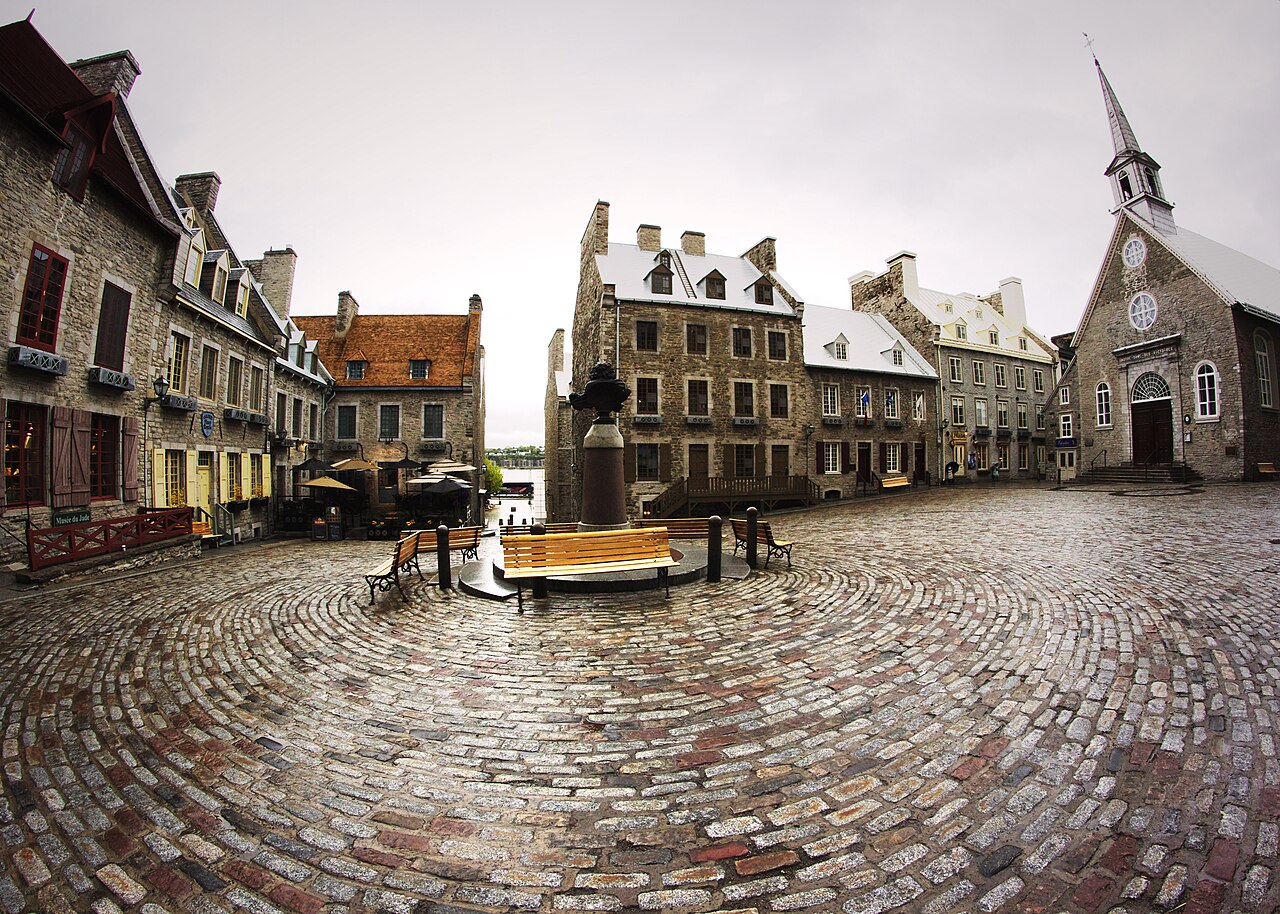
For visitors to Quebec City, the French language is immediately evident and pervasive. Street names are in French. Restaurant menus are in French (though many restaurants accommodate English speakers). Shop signs advertise in French. Cultural institutions operate in French. This linguistic landscape is not merely decorative—it reflects a genuine daily reality in which French is the normal, expected language of civic and social life. Visitors who speak French will find themselves welcomed and able to engage more deeply with local culture. Even English-speaking visitors will find that making minimal efforts with French pronunciation of place names, menu items, and greetings is appreciated and reciprocated with goodwill.
French Language Experience
Sources & Further Reading
- Corbeil, Jean-Claude. "The History of French in Quebec: Language, Culture, and Power." University of Montreal Press, 2007.
- Cook, Ramsey. "The Quiet Revolution: Secularization in Quebec." McGill-Queens University Press, 1985.
- Arnopoulos, Sheila McLeod & Dominique Clift. "The English Fact in Quebec." Harvest House, 1980.
- Breton, Roland. "The French-Canadians: From Beginnings to a de Gaulle." Praeger Publishers, 1977.
- Laurin, Camille. "French Language Protection: The Rationale for Bill 101." Quebec Government Publications, 1977.
- Bourhis, Richard Y. "Conflict and Language Planning in Quebec." Multilingual Matters Ltd, 1984.
- Quebec Office of the French Language. "Current Status of French in Quebec." Annual Report, 2025.
Related Articles in History