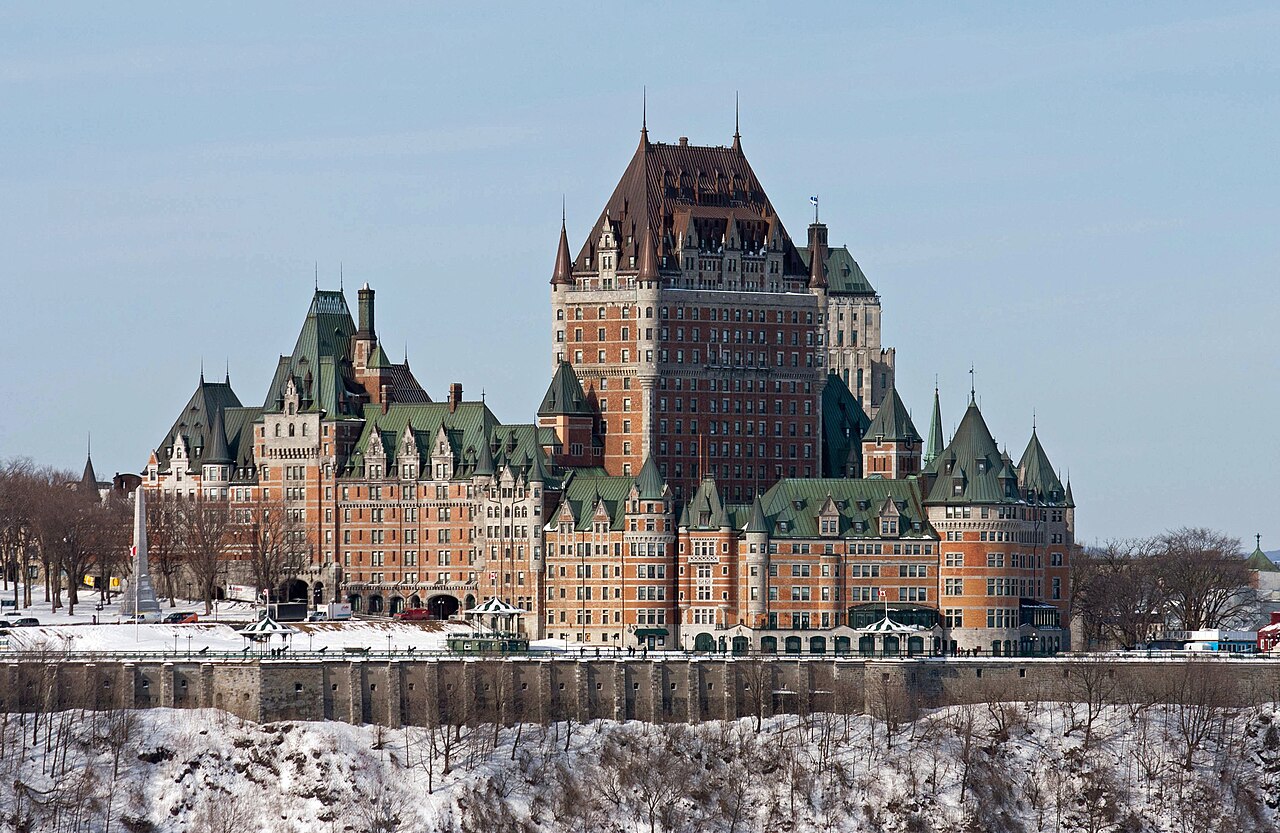
Colonial Origins: 1608 and Beyond
Petit-Champlain represents the birthplace of European civilization in North America. When Samuel de Champlain established the fur trading post that would become Quebec City in 1608, he chose the Lower Town—now known as Petit-Champlain—as the location for initial settlement. The natural harbor at the foot of Cap Diamant provided protection for the trading ships essential to the fur trade economy. Access to fresh water and the strategic location on the St. Lawrence River made this location ideal for colonial establishment.
The name "Petit-Champlain" honors Samuel de Champlain, the visionary explorer and colonial administrator who founded Quebec and dedicated his life to establishing French presence in North America. The neighborhood represents the physical manifestation of his ambition—the actual location where French colonial dreams became concrete reality. Four centuries later, Petit-Champlain remains instantly recognizable as the neighborhood where Canada's European history began.
"Petit-Champlain stands as the cradle of Canada—the precise location where a French visionary chose to establish the colony that would become modern Canada. Every stone in these streets carries four centuries of continuous history."
The initial settlement was modest. Champlain's party constructed simple wooden buildings for shelter, trade, and storage. Wooden palisades provided defensive protection against potential attack from Indigenous peoples or rival European powers. The buildings were basic—they served functional purposes in supporting the fur trade rather than providing lasting architectural monuments. Yet despite repeated fires, floods, and architectural changes over four centuries, the neighborhood has maintained continuous occupation and cultural significance unmatched among North American settlements.
Evolution of the First Settlement
The fur trade shaped Petit-Champlain's character from the beginning. Indigenous peoples brought furs from distant interior territories to trade for European goods. Merchants constructed warehouses to store furs awaiting shipment to France. Ships arrived seasonally from France, trading European goods for furs destined to supply the luxury fur market of Europe. This commercial activity concentrated exclusively in the Lower Town at the harbor's edge, where water access enabled loading and unloading of goods.
As the settlement grew from a simple trading post to an established colonial town, the neighborhood developed distinct commercial character. Merchant houses rose alongside warehouses. Taverns served crews of sailors and traders. Craftspeople established workshops—coopers making barrels for fur storage, sailmakers repairing ships, blacksmiths forging essential tools. The streets became crowded with commercial activity, creating a bustling waterfront district where multiple languages could be heard and goods from diverse regions exchanged hands.
The Harbor & River Commerce
The St. Lawrence River provided the essential connection to Europe and the interior continent. Ships bringing supplies from France would dock at the harbor, their arrival celebrated as a critical resupply opportunity for the isolated colonial settlement. Sailors worked to unload European goods—fabrics, tools, wine, manufactured items—while loading furs accumulated since the previous season. The harbor activity was seasonal, intense, and economically vital to the colony's survival.
The intense commercial activity made Petit-Champlain the most economically important part of Quebec City. The fur trade provided the wealth that funded the construction of public buildings, churches, and fortifications. Merchant families who accumulated significant wealth built substantial houses in Petit-Champlain, establishing dynasties that controlled Quebec's commerce for generations. The neighborhood's economic importance was proportional to its physical prominence and cultural significance.
Colonial Architecture & Building Traditions
The buildings of Petit-Champlain represent four centuries of architectural evolution shaped by colonial conditions, available materials, practical requirements, and changing aesthetic preferences. The earliest buildings, constructed in the seventeenth century, were modest structures of wood or stone designed for immediate functional purposes. As the colony established itself, buildings became more permanent, more substantial, and more architecturally sophisticated.
French colonial building traditions dominate Petit-Champlain's architecture. The characteristic style incorporates steep roofs (designed to shed rain and snow), narrow facades (reflecting expensive land at the waterfront), and exterior walls of stone or timber. The buildings are generally three to five stories tall, reflecting efficient use of limited ground-level space for commercial purposes with residential space above. Visible wooden structural elements—exterior beams, decorative details—express the direct connection to wood as primary building material in the colonial period.
Key Architectural Features
The buildings of Petit-Champlain exhibit distinctive architectural characteristics that reflect their colonial origins and continuous occupancy. Steep roofs with deep overhangs provided protection from weather. Stone exterior walls—typically of local limestone—offered durability and fire resistance important in densely built urban areas where fire represented constant danger. Narrow windows maximized wall strength while minimizing heat loss. Chimneys provided evidence of fireplaces essential for heating in the harsh Quebec climate.
🏛 Architectural Characteristics
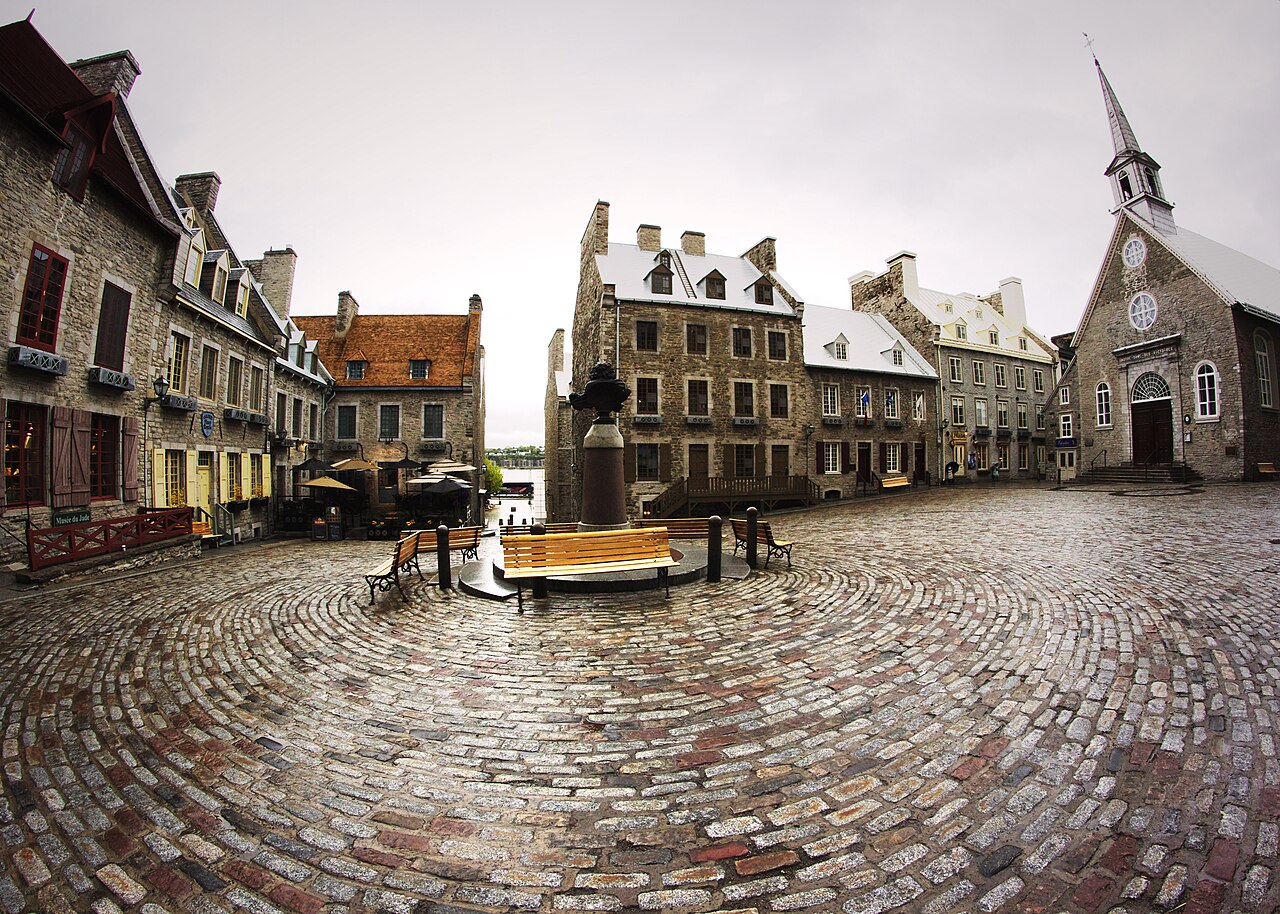
The streets themselves are integral to Petit-Champlain's architectural character. The cobblestone streets—narrow, irregular, and sloped toward the river—remain essentially unchanged from colonial times. The narrow width reflects the original colonial settlement pattern where land was valuable and streets needed to accommodate pedestrian traffic and occasional horses. The cobblestone surface provides both atmospheric authenticity and practical durability across four centuries of continuous traffic.
Petit-Champlain Through the Centuries
The conquest of Quebec by British forces in 1759 represented a dramatic transition. British merchants replaced French traders, yet the commercial character of Petit-Champlain remained fundamentally unchanged. The fur trade continued, merchants' warehouses remained essential, and the neighborhood's role as Quebec's commercial heart persisted. British merchants adapted to the colonial environment while maintaining the commercial traditions established by their French predecessors.
The nineteenth and twentieth centuries brought both change and decline. The development of modern transportation—particularly railways and automobiles—shifted commerce away from water-dependent harbors. Large steamships required deeper harbor facilities that Quebec's natural harbor could not fully accommodate. The commercial activity that had defined Petit-Champlain for three centuries gradually diminished. The neighborhood, once the economic center of Quebec City, entered a period of relative decline as modern commerce developed elsewhere.
By the mid-twentieth century, Petit-Champlain had deteriorated significantly. Historic buildings fell into disrepair. The neighborhood's commercial importance had vanished. The picturesque colonial architecture that had been taken for granted for centuries suddenly appeared as expendable heritage. Demolition and inappropriate renovation threatened to erase irreplaceable colonial heritage. The neighborhood faced potential obliteration by urban renewal projects that viewed historic architecture as obstacles to modernization.
Heritage Conservation & Revitalization
In the 1970s, recognition of Petit-Champlain's exceptional historical and architectural value prompted preservation initiatives. The Quebec government designated the neighborhood as a heritage district worthy of protection and restoration. Federal and provincial funding supported systematic restoration of historic buildings while preserving their architectural character. Instead of demolition and replacement, conservation efforts focused on returning buildings to historical appearance while modernizing systems invisible to exterior view.
The revitalization of Petit-Champlain represents a successful model for heritage conservation. Rather than creating a sterile museum district, restoration efforts encouraged commercial reoccupation. Artists, artisans, and restaurateurs established businesses in the restored buildings. The neighborhood transformed into a thriving commercial district focused on cultural heritage, craft, cuisine, and tourism. The economic revitalization occurred while maintaining strict adherence to heritage conservation principles.
Conservation Principles & Methods
The restoration of Petit-Champlain adhered to rigorous heritage conservation standards. Buildings were analyzed to understand original construction and design. Exterior alterations were removed where possible to reveal original facades. Deteriorated stone was carefully replaced using compatible material and craftsmanship. Modern mechanical systems were installed discreetly behind walls and ceilings. Interior spaces were adapted to modern commercial uses while preserving significant architectural features. The result: buildings that appear as they might have appeared generations ago while functionally serving contemporary needs.
🔨 Conservation Achievements
Petit-Champlain's Unique Character
Modern Petit-Champlain possesses a distinctive character that blends historical authenticity with vibrant contemporary activity. The narrow cobblestone streets, the colorful facades of restored buildings, the craft shops and galleries, the aroma of traditional cuisine—all combine to create an atmosphere that communicates immersion in history while remaining thoroughly modern and vital. The neighborhood succeeds in being simultaneously a living museum and a thriving commercial district.
The mix of uses reflects the neighborhood's historical evolution. Where merchants' warehouses stored furs in the seventeenth century, art galleries now display contemporary work. The spaces that once housed trading company offices host restaurants where visitors enjoy meals reflecting centuries of culinary tradition. The same buildings that accommodated colonial commerce now support artisans creating handicrafts and contemporary art. This adaptive reuse preserves the buildings' essential character while enabling new economic purposes.
Contemporary Petit-Champlain
Today's Petit-Champlain thrives as a cultural destination. Art galleries display work of Québécois and international artists. Craft workshops demonstrate traditional skills—glassblowing, woodworking, textile creation. Restaurants serve traditional Québécois cuisine alongside contemporary culinary creations. Street musicians and performers create an atmosphere of vibrant cultural activity. Artisan shops sell locally-made products ranging from textiles to ceramics. Espresso bars and cafes occupy spaces that once served very different purposes yet perform functionally similar functions—providing hospitality to visitors and residents.
"Petit-Champlain represents successful heritage conservation that transcends mere preservation—it demonstrates how historical places can remain vital, economically productive, and culturally relevant while respecting their past."
The neighborhood's success derives from respecting its dual nature. It is simultaneously a repository of colonial heritage and a contemporary commercial district. The buildings, streets, and spatial relationships commemorate four centuries of continuous occupation. Yet the restaurants, galleries, shops, and cafes serve actual contemporary needs rather than functioning as artifacts of a frozen past. This balance between heritage and vitality distinguishes Petit-Champlain from many preserved historic districts that become tourist attractions disconnected from living community.
Walking Petit-Champlain Today
Visiting Petit-Champlain offers immersion in Canada's colonial heritage combined with contemporary cultural vitality. The neighborhood is best explored on foot, wandering the narrow cobblestone streets, discovering galleries and shops, stopping for meals or refreshments, and absorbing the distinctive atmosphere that four centuries of continuous habitation have created. The pedestrian experience—which would be immediately familiar to residents of any era from 1608 to the present—remains the optimal way to experience Petit-Champlain.
The neighborhood's physical scale—compact, pedestrian-friendly, filled with visual interest at every turn—rewards leisurely exploration. Important attractions cluster within a few blocks. The historic character of the buildings, streets, and spatial relationships provides constant context for understanding history. The harbor-edge location offers opportunities to contemplate the St. Lawrence River's role in the settlement's founding and development. Multiple eating and shopping options enable visitors to spend extended time in the neighborhood without exhausting its appeal.
Exploring the Neighborhood
🚶 Visitor Guide
Key Streets & Attractions
Rue du Petit-Champlain, the main street of the neighborhood, extends from the waterfront upward, lined with shops, galleries, and restaurants. Rue Sous-le-Fort parallels the river, offering views and access to the harbor. Place Royale, at the heart of the neighborhood, features the Église Notre-Dame-des-Victoires, a church dating from 1688 that survives from the French colonial era. The cobblestone streets create the sense of walking through history while contemporary activity demonstrates the neighborhood's vitality.
Visitors should experience the neighborhood at different times and seasons. The streets bustle with tourists and residents during daytime summer months. The evening atmosphere, quieter and more atmospheric, reveals different aspects of the neighborhood's character. Winter visitors appreciate the seasonal transformation while experiencing the streets with fewer crowds. The neighborhood accommodates leisurely exploration ranging from brief orientation visits to extended stays incorporating meals, shopping, and cultural activities.
The viewpoint from the waterfront offers perspective on the neighborhood's relationship to the St. Lawrence River and Cap Diamant above. From this vantage point, visitors can contemplate how the same location that attracted Champlain in 1608 continues to fascinate modern visitors four centuries later. The physical landscape—steep cliffs, flowing river, harbor—connects present-day visitors to the colonial experience that shaped Canada's foundation.
Sources & References
- Noppen, Luc. "Québec, Trois Siècles d'Architecture." Éditions du Méridien, 1989.
- UNESCO World Heritage Centre. "Historic District of Old Québec." World Heritage List designation, 1985.
- Parks Canada. "Petit-Champlain National Historic Site." Official documentation.
- Commission de la Capitale Nationale. "Petit-Champlain: Heritage District." Historical reports and conservation plans.
- Lemoine, Réjean. "Patrimoine Architectural du Vieux-Quebec." Commission de la Capitale Nationale, 2002.
- Kalman, Harold. "A History of Canadian Architecture." Oxford University Press, 1994.
- Archives de la Ville de Quebec. "Colonial Settlement and Commercial Development." Municipal historical records.
- Trudel, Marcel. "Histoire de la Nouvelle-France." Éditions Fides, 1979.
- Charbonneau, André. "The Fortified Settlements of New France." Parks Canada, 1990.
- Gagnon-Pratte, France. "Quebec: Three Centuries of Architecture." Canadian Heritage Press, 2001.
- Harris, Richard Colebrook. "The Resettlement of British North America, 1776-1812." University of Toronto Press, 1984.
- DeLottinville, Peter. "The Contours of Urban Life in Quebec City, 1700-1914." McGill-Queen's University Press, 1995.
Related Architecture Articles