When Quebec City Became the Center of the World
In the summer of 2008, Quebec City celebrated a monumental milestone: 400 years since Samuel de Champlain's founding of the city in 1608. The 400th anniversary celebration transformed Quebec City into a global destination, drawing nearly 2 million visitors to participate in one of Canada's most ambitious and comprehensive municipal festivals. For six months, from May through October 2008, the city hosted an unprecedented program of concerts, theatrical performances, historical exhibitions, sports events, and cultural activities that honored the city's past while looking toward its future.
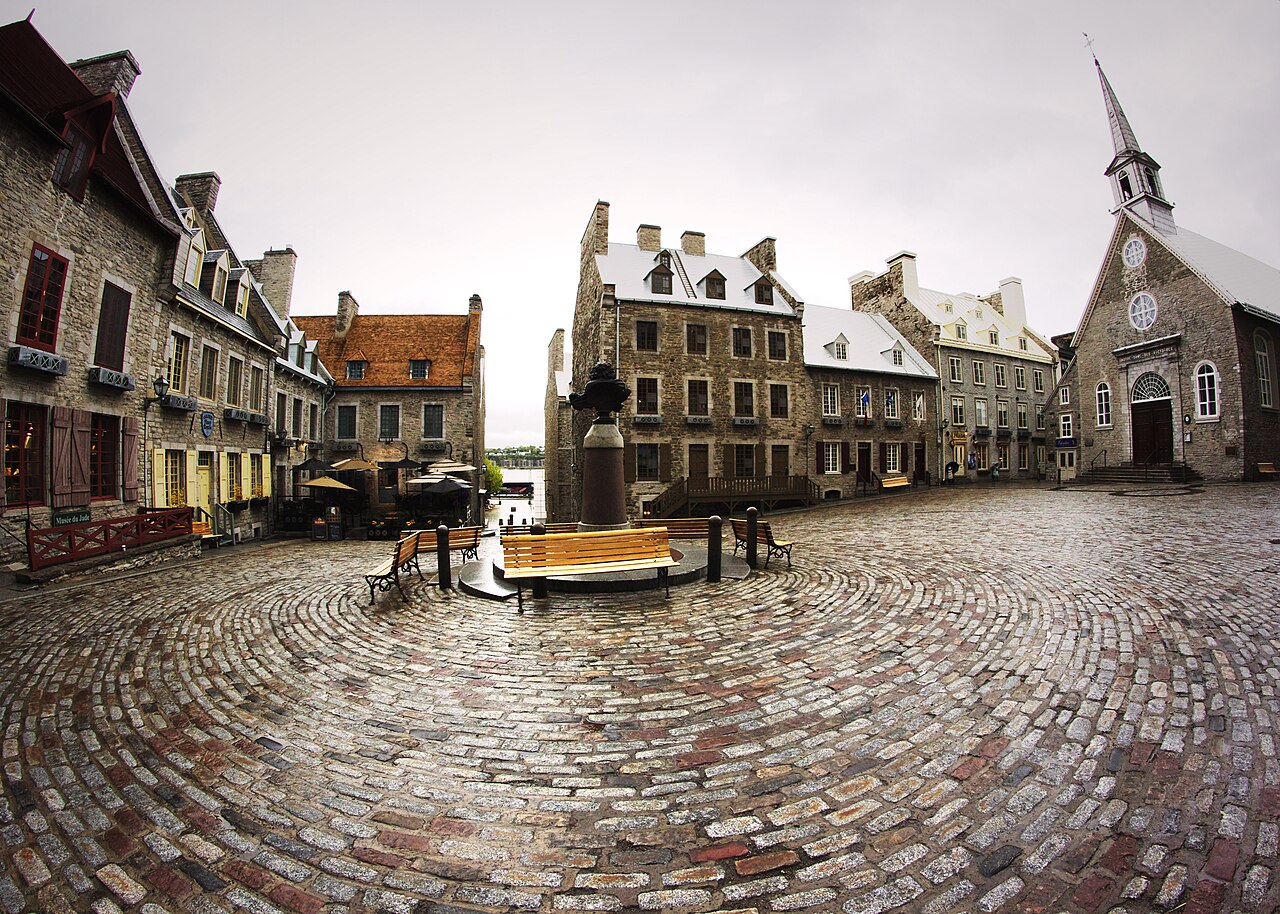
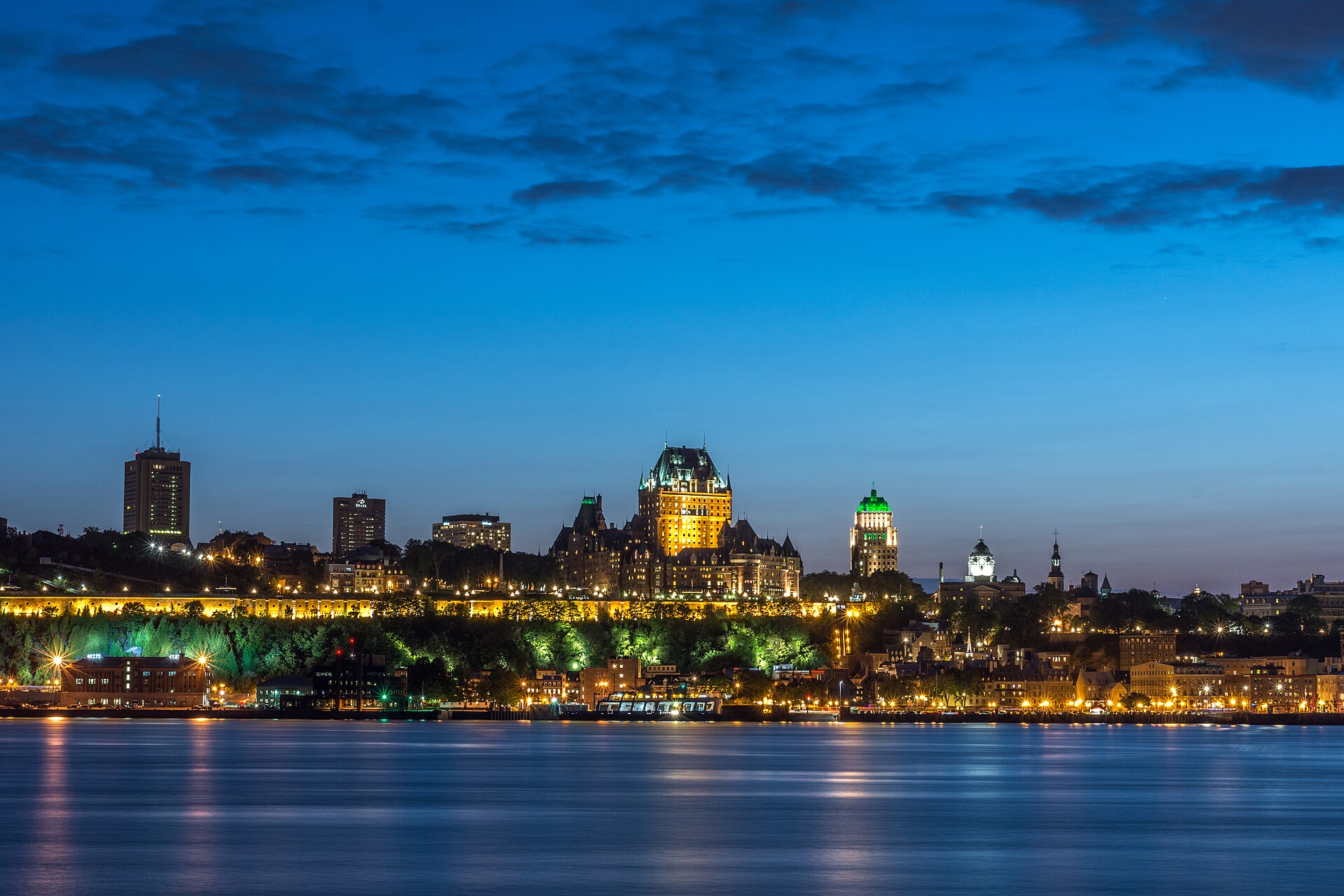
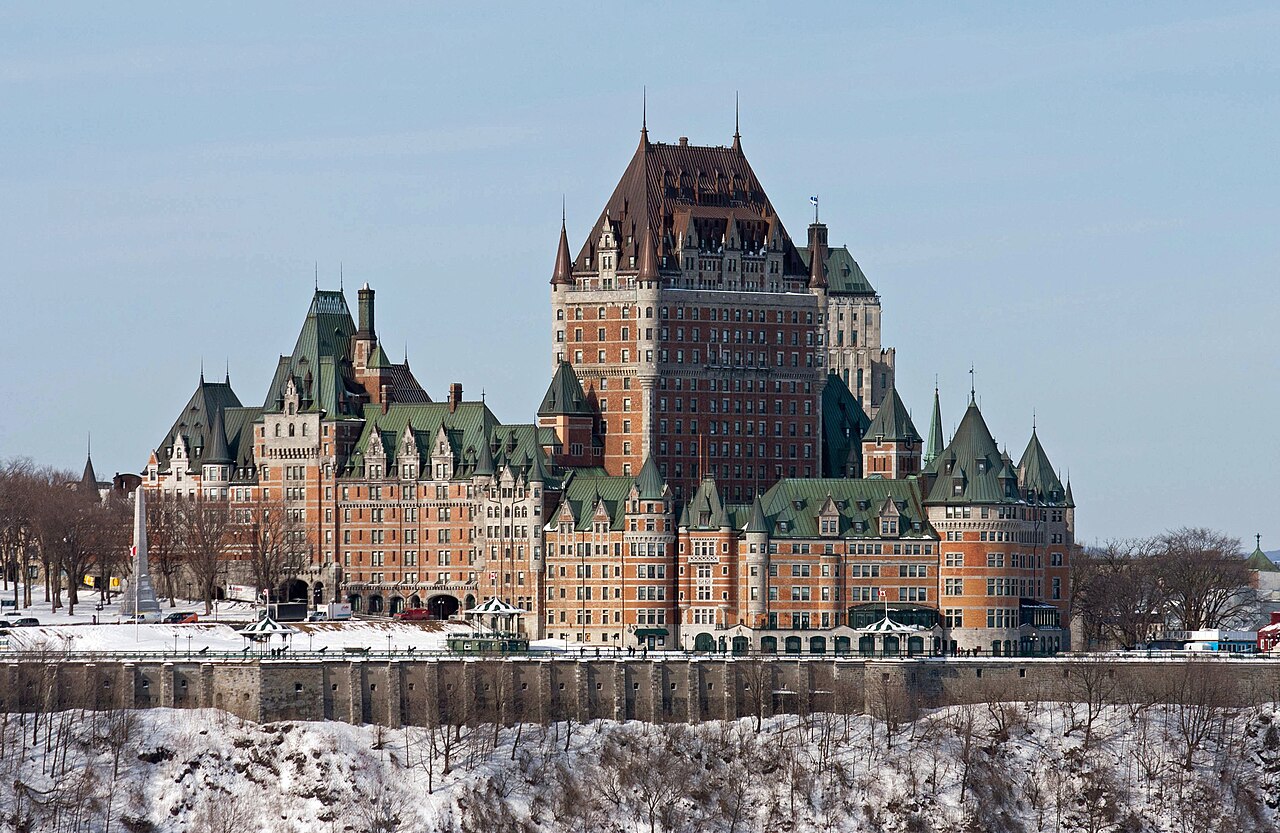
The celebration was not merely a party, though there was plenty of celebration. The 400th anniversary represented a critical moment of collective reflection and reimagining for Quebec City. The festival provided an occasion to reassess the city's identity, to showcase its cultural achievements and heritage to the world, and to inspire local residents with renewed pride in their city's history and potential. The infrastructure projects undertaken to support the celebration—from the Fontaine de Tourny in Place de l'Assemblée-Nationale to the Promenade Samuel-De Champlain along the waterfront—represent lasting improvements that continue to define the city's landscape and public spaces.
The choice to celebrate 400 years reflected Quebec's historical consciousness and sophisticated understanding of commemoration. Unlike some anniversary celebrations that center on a single iconic event or leader, Quebec's 400th anniversary acknowledged 400 years of history involving Indigenous peoples, French colonizers, British conquerors, and diverse waves of immigrants who together created the distinctive culture and society of modern Quebec City. The celebration thus became an opportunity to explore complex historical narratives and the layered identities that characterize contemporary Quebec.
"This 400th anniversary celebration marks not just the passage of time, but the enduring spirit of Quebec City as a place of innovation, culture, and human connection that transcends centuries."
— Mayor Régis Labeaume, 2008
Organizing the World's Largest Decennial Celebration
Planning for Quebec City's 400th anniversary began years in advance, with city officials, cultural institutions, and private sector partners coordinating to create a celebration worthy of the occasion. The organizational challenge was enormous: hosting millions of visitors, coordinating thousands of performances and events, constructing new public infrastructure, and managing the logistics of sustained celebration across six months required unprecedented coordination and investment.
The city created the Commission de la Capitale-Nationale and the 400e Celebration Committee to oversee planning. These bodies worked with the Quebec government, federal authorities, tourism agencies, cultural organizations, and private businesses to develop a comprehensive program balancing professional performances and community participation, historical commemoration and contemporary celebration, local traditions and international engagement. The decision to distribute events across multiple venues and neighborhoods meant that the celebration permeated the entire city rather than being confined to a single location.
Funding and Investment
The 400th anniversary received substantial financial support from federal and provincial governments, the private sector, and tourism agencies. Over $500 million was invested in the celebration, including funding for major infrastructure projects like the Fontaine de Tourny and the Promenade Samuel-De Champlain, as well as day-to-day programming, performance fees, and administrative costs. This investment reflected the significance placed on the celebration and confidence that it would generate economic benefits through tourism spending and international visibility.
Major corporations and cultural sponsors provided additional funding and support. Banks, media companies, breweries, and other businesses saw the 400th anniversary as an opportunity to associate their brands with the city's heritage and celebration. This corporate sponsorship, while raising questions about commercialization of cultural events, provided essential resources that made the ambitious scope of the celebration possible.
Iconic Performances and Celebrations
The 400th anniversary celebration featured an extraordinary program of major concerts and performances attracting international artists and hundreds of thousands of spectators. The festival brought together performers ranging from rock and pop artists to classical orchestras, from theatrical companies to contemporary dance troupes, representing virtually every genre of entertainment and cultural expression.
The Concert Series
The centerpiece of the musical celebration was an ambitious concert series featuring world-renowned performers. Paul McCartney performed a memorable concert that drew 60,000 spectators to a specially constructed outdoor venue on the Promenade Samuel-De Champlain. Celine Dion, born in nearby Charlemagne and Quebec's most internationally famous performer, headlined multiple sold-out shows. The Rolling Stones, Robert Plant, Leonard Cohen, and numerous other legendary musicians performed, making Quebec City one of the most significant musical destinations of 2008. These performances were broadcast internationally, bringing attention to Quebec City to audiences worldwide.
Theater and Performing Arts
Beyond the major concert attractions, the celebration featured numerous theatrical productions, dance performances, and smaller musical events distributed throughout the city. Street performers and community theater groups created spontaneous performances in public spaces. International theater companies brought productions from around the world. These performances transformed Quebec City's public spaces into theaters and galleries where art was happening everywhere.
Historical reenactments brought the city's past to life, with costumed performers recreating scenes from 400 years of history. Military ceremonies and parades honored those who had served the city and nation. Indigenous cultural performances acknowledged and celebrated the First Nations peoples who had inhabited the Quebec region long before European arrival and who continue to be part of contemporary Quebec society.
Exhibitions and Educational Programming
Museums and cultural institutions throughout the city mounted special exhibitions exploring Quebec's 400-year history. The Musée de la Civilisation hosted exhibitions examining themes of cultural continuity and change. Historical displays explored early colonial settlement, the encounter between Europeans and Indigenous peoples, the French-British rivalry, and the evolution of Quebec society through twentieth-century transformations. These exhibitions provided context for understanding how Quebec City came to be and what forces have shaped its development across four centuries.
The Public Works That Define Modern Quebec City
Beyond the temporary events and performances, the 400th anniversary celebration catalyzed major infrastructure projects that continue to define Quebec City's public landscape and quality of life. These projects, undertaken to provide venues for celebration and improve the city's environment, have become permanent features that residents and visitors enjoy daily.
Fontaine de Tourny
The iconic Fontaine de Tourny, installed in Place de l'Assemblée-Nationale, has become the symbol of Quebec City's 400th anniversary and one of the city's most photographed landmarks. This historic fountain, originally created in 1873 and previously located in France, was relocated to Quebec City as a centerpiece of the celebration. The fountain's ornate design, illuminated at night, serves as a gathering place for residents and tourists alike. It represents both the city's connection to European cultural heritage and its commitment to creating beautiful public spaces where community life unfolds.
Promenade Samuel-De Champlain
The Promenade Samuel-De Champlain, developed along the waterfront near the St. Lawrence River, has transformed the relationship between Quebec City and its riverfront. The promenade provides green space, walking paths, scenic viewpoints, and improved access to the water's edge. This linear park has become a favorite destination for residents seeking outdoor recreation and visitors wanting to experience the natural beauty of the region. The promenade honors Samuel de Champlain, the explorer and colonizer who founded Quebec City in 1608, while providing a contemporary public space that encourages community gathering and environmental appreciation.
Infrastructure Throughout the City
The 400th anniversary celebration stimulated improvements to infrastructure, transportation, and public facilities throughout Quebec City. Streets were repaved, parks were improved, and public facilities were upgraded. Municipal services received investment to handle the influx of visitors. Hotels, restaurants, and tourism facilities were improved or newly constructed. These investments, though made for the celebration, provided lasting benefits that enhanced the quality of life for all residents.
Technology and Accessibility
The 400th anniversary celebration also modernized the city's infrastructure in less visible ways. Improved transportation systems, enhanced public transit, upgraded water and sewage systems, and improved telecommunications infrastructure were implemented to support the celebration. These infrastructure improvements, while not as iconic as the fountains and promenades, have proven just as important to the city's functioning and livability.
How the 400th Anniversary Changed Quebec City
The 400th anniversary celebration had profound impacts that extended far beyond the summer of 2008. The celebration brought unprecedented international attention to Quebec City, raising its global profile and establishing it as a major cultural destination. The publicity generated by the major concerts, international performances, and media coverage meant that millions of people around the world learned about Quebec City who might never have visited otherwise.
Economically, the celebration generated enormous tourism revenue. Hotels, restaurants, shops, galleries, and entertainment venues benefited from the millions of visitors drawn to the city. The economic stimulus continued beyond 2008, as visitors who came for the anniversary returned in subsequent years, and others planned trips to experience the city that had received such positive international attention. The celebration provided an economic boost that particularly benefited tourism-related sectors of the local economy.
Community Pride and Identity
For residents, the 400th anniversary celebration represented a moment of collective pride and shared identity. The extensive programming meant that Quebecers from all backgrounds and neighborhoods participated in celebration. The international recognition of their city's cultural significance enhanced residents' sense of place and pride in their community. The celebration affirmed that Quebec City was not a provincial backwater but a city of genuine cultural and historical importance worthy of international attention.
Cultural Development
The celebration stimulated cultural development and artistic activity. The major performances and exhibitions demonstrated the possibilities of large-scale cultural programming. The success of the 400th anniversary led to ongoing commitment to major cultural events and festivals that have continued into the present. The city has maintained the infrastructure and programming traditions established during the anniversary celebration, making Quebec City a major center for cultural and artistic activity.
Urban Renewal
The infrastructure projects undertaken for the anniversary—the Fontaine de Tourny, the Promenade Samuel-De Champlain, and numerous smaller improvements—have continued to shape the city's public realm and quality of life. These projects demonstrated the power of public investment in creating spaces where community life unfolds and have inspired subsequent public realm improvements. The 400th anniversary thus catalyzed urban renewal that extended the benefits of investment in public goods across the entire city.
Exploring the 400th Anniversary's Permanent Landmarks
Visitors to contemporary Quebec City can experience the lasting legacy of the 400th anniversary celebration by visiting the major public works and monuments created for the occasion. These sites have become integral to the urban landscape and represent tangible connections to the celebration and its historical significance.
Fontaine de Tourny
Located in Place de l'Assemblée-Nationale in the downtown core, the Fontaine de Tourny remains one of Quebec City's most iconic and frequently photographed landmarks. The fountain's ornate design and elegant illumination make it particularly striking at night. The site has become a natural gathering place and is surrounded by restaurants, shops, and galleries that serve the many visitors drawn to admire the fountain. The fountain has become such an integral part of contemporary Quebec City that it is difficult to imagine the cityscape without it, though it was only installed in 2008.
Visiting Anniversary Landmarks
Promenade Samuel-De Champlain
Extending along the St. Lawrence River waterfront, the Promenade Samuel-De Champlain has become one of Quebec City's favorite destinations for residents seeking outdoor recreation and visitors wanting to experience the natural landscape. The promenade features walking paths, scenic viewpoints, public art installations, and access to the water's edge. In summer, the promenade hosts festivals and outdoor performances. In winter, the landscape transforms to create an entirely different but equally beautiful setting. The promenade represents the city's commitment to improving public access to natural spaces and creating environments where diverse communities can gather and celebrate.
Exploring the Full Legacy
Beyond the major monuments, the legacy of the 400th anniversary is distributed throughout the city in cultural venues, public realm improvements, and infrastructure enhancements. New theaters, galleries, and performance spaces built or renovated for the celebration continue to host cultural programming. The experience of visiting contemporary Quebec City is enriched by awareness of how the 400th anniversary celebration catalyzed improvements and renewed cultural commitment that continue to define the city.
Visiting Quebec City's 400th anniversary landmarks provides a tangible connection to the celebration and its historical significance. These sites remind visitors that Quebec City is a place with four centuries of complex, layered history, where past and present continuously intersect and inform each other. The monuments stand as eloquent testimony to the power of collective celebration and shared commitment to creating cities worthy of human inhabitation and cultural expression.
Explore More Quebec History
Sources & References
- Commission de la Capitale-Nationale. "400e Celebration: Commemorating Four Centuries of Quebec City." Official program documentation and historical records, 2008.
- Ville de Québec. "Celebration 400e: 400th Anniversary Final Report." Municipal government report documenting the celebration's events, participation, and outcomes, 2009.
- Lachance, Michele. "The Fontaine de Tourny: A Monument to Quebec's Heritage." Journal of Public Art and Architecture, 2010. Analysis of the iconic fountain's significance and symbolism.
- Garneau, Michèle. "Waterfront Renewal and Public Space: The Promenade Samuel-De Champlain." Urban Planning Quarterly, 2011. Study of the waterfront development project.
- Brière, Marc. "Cultural Festivals and Urban Renewal: The Quebec 400th Anniversary as Economic Development Strategy." Canadian Urban Studies, 2012.
- Québec Journal. "Paul McCartney Rocks Quebec: 60,000 Celebrate in Historic Concert." Contemporary news coverage of major concert events, 2008.
- Tourism Quebec. "Visitor Statistics: 400th Anniversary Celebration." Tourism data documenting visitor numbers and economic impact, 2008-2009.
- Archives Nationales du Québec. "Photographic and Documentary Records of the 400th Anniversary Celebration." Historical collections and ephemera documenting the events, 2008.
- Musée de la Civilisation. "Exhibitions and Displays: 400 Years of Quebec City." Exhibition catalogs and scholarly essays accompanying the historical exhibitions, 2008.
- Heritage Foundation of Quebec. "Public Works and Monument Preservation." Conservation standards and guidelines for maintaining anniversary landmarks, ongoing.