The Spiritual Foundations of Quebec City
Quebec City was not established primarily as a commercial venture or military outpost, though it served both functions. Samuel de Champlain and the French Crown explicitly founded Quebec City as a mission—a place where French Catholicism could be planted in North America and from which it could spread to indigenous peoples and across the continent. The cross raised on the shores of the St. Lawrence River in 1608 was as significant a symbol as any flag or military standard. Religion was not merely one aspect of colonial Quebec; it was foundational to the entire colonial project.
The Catholic Church's role in New France was extraordinary by modern standards. The Church held vast landholdings, operated schools and hospitals, controlled marriage and family life, provided intellectual infrastructure, and served as the primary institution of authority in indigenous relations. Missionaries fanned out from Quebec City to evangelize indigenous peoples. Jesuits, Franciscans, Sulpicians, and other religious orders established missions and educational institutions. The elaborate organizational structure of the Church—with bishops, priests, nuns, and lay organizations—became the skeleton of colonial society, providing order and meaning to the dangerous work of colonization.
The Role of Women Religious
Women religious orders played crucial roles in colonial Quebec that deserve particular attention. Ursuline nuns established educational institutions for girls, ensuring that French colonial daughters could be educated according to Catholic principles. Hospitalière nuns (Hospital Sisters) operated hospitals and cared for the sick, developing medical knowledge and practices adapted to New France conditions. These women, who had renounced marriage and motherhood in favor of religious vocation, became some of the most respected figures in colonial society. They exercised authority over institutions and over spiritual and educational matters in ways that, while constrained by patriarchal structures, represented significant female power and influence.
The convents and religious houses operated by women offered alternatives to marriage and domestic life for women in colonial society. While the Church's sexual ethics were restrictive by modern standards, convent life provided education, intellectual engagement, organizational authority, and community for women who chose religious vocation. These institutions preserved and transmitted knowledge, maintained libraries, developed medical practices, and created spaces where women's intellectual and spiritual capacities could be cultivated and expressed. The convents were not merely prayer houses but centers of learning and practical work.
Religious Architecture in Quebec City
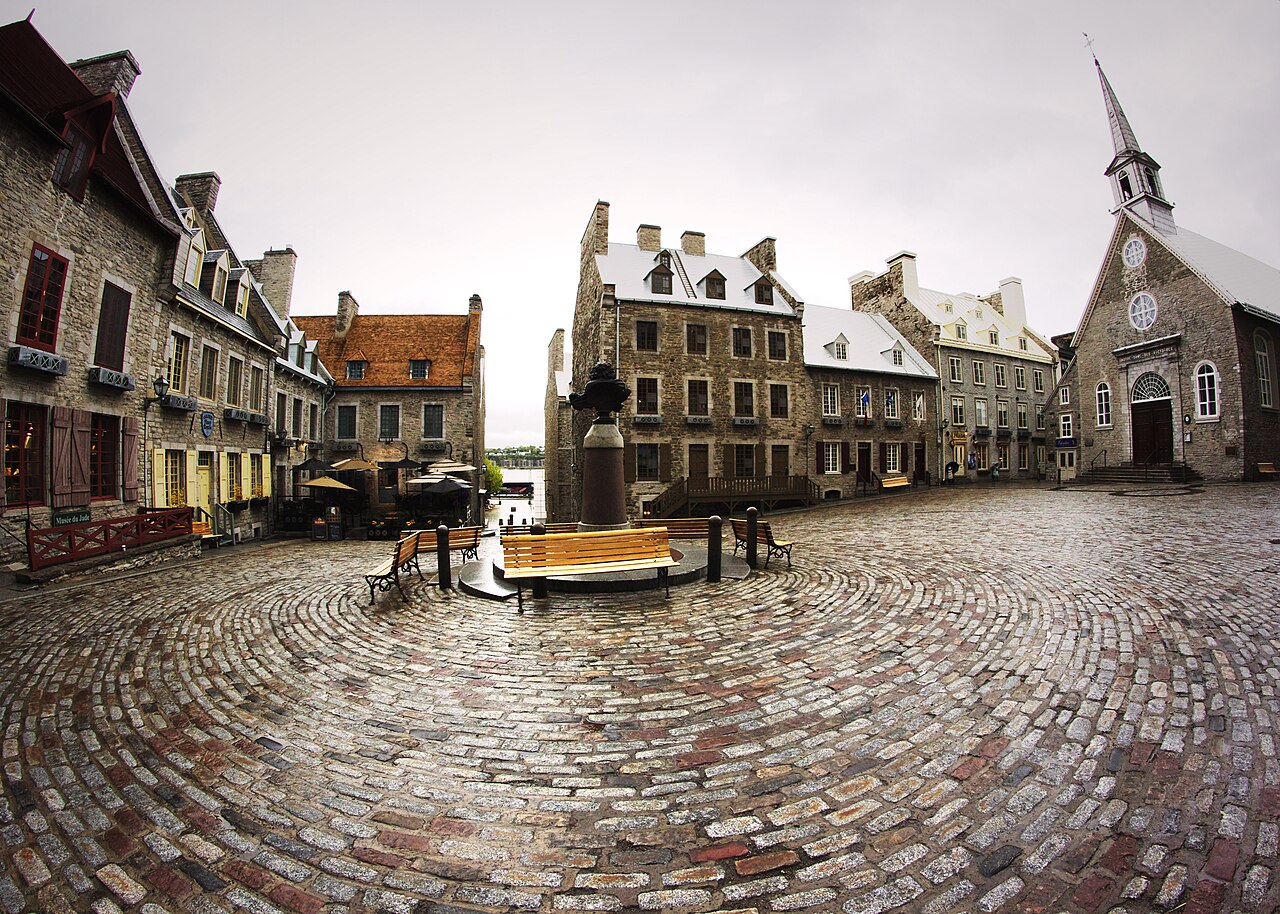
The most visible expression of Quebec's religious heritage is its architecture. From the imposing Basilica-Cathedral of Notre-Dame de Québec dominating the skyline to smaller parish churches scattered throughout the city, religious buildings define Quebec City's aesthetic character. These structures are not merely buildings; they are expressions of faith, community pride, architectural ambition, and cultural identity. The construction of these buildings consumed significant resources—timber, stone, skilled labor—and represented collective commitment to permanent religious institutions. The architecture declares that Catholic faith has a place and a future in North America.
The Basilica-Cathedral of Notre-Dame de Québec, initially built in the mid-17th century and significantly reconstructed in the 18th and 19th centuries, represents the finest achievement of religious architecture in Quebec. Its neoclassical interior, its stunning altar piece, its choir furniture, and its overall proportions express an architectural language borrowed from European traditions while adapted to North American materials and conditions. The cathedral has been destroyed by fire multiple times and rebuilt, each reconstruction incorporating contemporary architectural knowledge and aesthetic sensibilities. This history of destruction and rebuilding gives the cathedral a particular symbolic significance—it represents the persistence of faith through adversity.
Church Architecture and Community Identity
Beyond the cathedral, the parishes churches that dot Quebec City represent significant architectural achievements and community expressions. Each parish church served as the center of a neighborhood's religious, social, and cultural life. The architecture of these buildings expressed community values and resources. Wealthier parishes constructed more elaborate buildings with more sophisticated architectural features. The church was literally the largest building in most neighborhoods, towering over surrounding residences and serving as the focal point of public life. The Christmas midnight mass, the Sunday processions, the Easter celebrations—these religious observances and the architectural spaces hosting them bound communities together.
The architectural style of Quebec religious buildings reflects the province's position between French and English-speaking North America, between European and American traditions. While the Basilica-Cathedral shows French architectural influence, Quebec churches also incorporated influences from New England Congregationalist architecture and from the practical requirements of North American building. The result is a distinctive aesthetic that is neither purely French nor purely American but distinctly Québécois. The white wooden church with a steeple and cross became an iconic image representing Quebec landscape and culture.
Interior Spaces and Religious Art
The interior spaces of Quebec churches deserve particular attention. The altars, often elaborately carved and gilded, served as the focal point of worship. The ornate tabernacles where the consecrated host was reserved expressed theological understanding of the real presence of Christ. The side altars honoring saints created spaces where specific devotions could be practiced. The stations of the cross, depicting Jesus's passion, provided visual narratives for religious meditation. The statuary, the paintings, the lighting—all elements of the interior worked together to create an environment conducive to prayer and spiritual experience. For Catholics of previous generations, these interior spaces were intimately familiar, visited regularly for mass and private prayer. They shaped religious sensibilities and provided emotional and spiritual comfort.
Religious Orders and Their Mission
Several religious orders established themselves in Quebec City and shaped the city's religious, educational, and social character. The Jesuits (Society of Jesus) arrived early in the colonial period and established educational institutions, including the Seminaire de Québec, which trained priests and educated the elite. The Jesuits also engaged in missionary work among indigenous peoples and maintained extensive archives documenting colonial Quebec. The Franciscans, the Dominicans, the Capuchins, and other mendicant orders operated monasteries and engaged in preaching and pastoral work. The Sulpicians, a secular priest society, established themselves in Quebec and became important educational and pastoral figures.
Women religious orders were equally significant. The Ursulines established their convent in 1642, making it one of the oldest educational institutions in North America dedicated to educating girls. The Hospitalières (Hospital Sisters) operated hospitals providing medical care. The Religious Hospitallers of Saint Joseph established themselves in Quebec. The Carmelites, a contemplative order, maintained a cloistered community devoted to prayer. These women religious communities were not peripheral to colonial society but central to its functioning, providing education, healthcare, and spiritual direction that held society together.
Indigenous Conversion and Missionary Work
Religious orders engaged in intensive missionary work attempting to convert indigenous peoples. The Jesuits were particularly active in this work, establishing missions and learning indigenous languages to communicate the Gospel. The history of these missions is complex and contested. From the perspective of many indigenous peoples, the missions represented cultural destruction, linguistic suppression, and disruption of traditional spiritual practices. Yet the Jesuit Relations (detailed reports sent back to France) provide extensive documentation of indigenous life, languages, and cultures, even as they were recorded by observers seeking their conversion. Some indigenous peoples embraced Catholicism, sometimes finding in Christian imagery and ritual forms that resonated with indigenous spiritual traditions. Other indigenous peoples resisted conversion and maintained traditional spirituality. The legacy of missionary work includes both genuine spiritual transformation for some indigenous people and significant cultural disruption and loss.
Religious Heritage Sites
The Quiet Revolution and Religious Change
From the 17th century until the 1960s, the Catholic Church exercised extraordinary influence over Quebec society. The Church controlled schools and universities, operated hospitals and social services, provided the moral framework for public life, and served as the primary authority over private matters including marriage, sexuality, and family life. Priests were respected figures in communities. Nuns and monks lived in visible religious communities. Religious devotion was expressed in public processions, pilgrimages, and community celebrations. Attendance at mass was nearly universal among French-speaking Quebecers. The connection between French-Canadian identity and Catholicism was so complete that it was difficult to imagine Quebec society without the Church as its central institution.
The Quiet Revolution of the 1960s transformed this religious landscape with remarkable speed. The Church's monopoly on education was broken as the Quebec government established public schools under secular administration. The Church's role in healthcare was reduced as provincial health systems took over hospital operation. The Church's authority over moral questions was challenged as laws regarding divorce, contraception, and abortion moved toward liberalization. The religious infrastructure that had seemed permanent began to crumble. Seminary enrollments declined. Convent populations diminished as fewer women chose religious vocation. Church attendance dropped dramatically. The rate of this change was stunning—in a single generation, Quebec underwent a secularization process that took centuries in some societies.
Faith in the Secular Age
The transformation did not mean that religion disappeared from Quebec. Rather, it means that religion became privatized rather than structuring public institutions and policy. Individuals and families continued to practice Catholicism, often with considerable devotion. But this practice occurred in the context of a secular state that did not advance religious interests. Religious education moved from schools to families and parishes. Religious authority competed with scientific authority. Moral questions became subjects of democratic debate rather than Church pronouncement. This transition was sometimes painful for those who had invested deeply in the Church's institutional role and religious authority.
"We did not reject faith; we rejected the Church's monopoly on authority and meaning. We wanted to be both modern and Catholic, and we insisted the two need not be contradictory." — Claude-Léon Beaumont, Quebec intellectual, on the Quiet Revolution
Contemporary Religious Landscape
Contemporary Quebec remains officially Catholic, with Catholicism the religion of most Quebecers by cultural identity and family tradition. Yet actual religious practice—regular attendance at mass, adherence to Church teachings on sexuality and family—has declined dramatically. Some parishes have closed due to declining attendance. Others have merged. The bishops' pronouncements on political and moral questions receive far less public attention than they did in earlier periods. Yet the Church remains present in Quebec society. The architectural heritage is preserved. Religious educational institutions continue to operate alongside secular schools. Pilgrimage sites continue to attract visitors. Music, art, and literature continue to draw on religious imagery and themes. The Church maintains social service organizations addressing poverty, homelessness, and other social problems.
Contemporary Religious Life and Heritage
Contemporary Quebec presents an interesting religious landscape—a society with declining institutional Church influence, yet with persistent Catholic cultural identity and heritage. The major churches remain important landmarks and tourist attractions. The Basilica-Cathedral continues as the seat of the Archbishop of Quebec and remains a venue for significant celebrations. Smaller parish churches serve communities, though often with smaller congregations than in earlier periods. The Ursuline convent continues its educational mission while also operating a museum. These institutions represent continuity with centuries of religious practice even as they operate in a very different religious landscape.
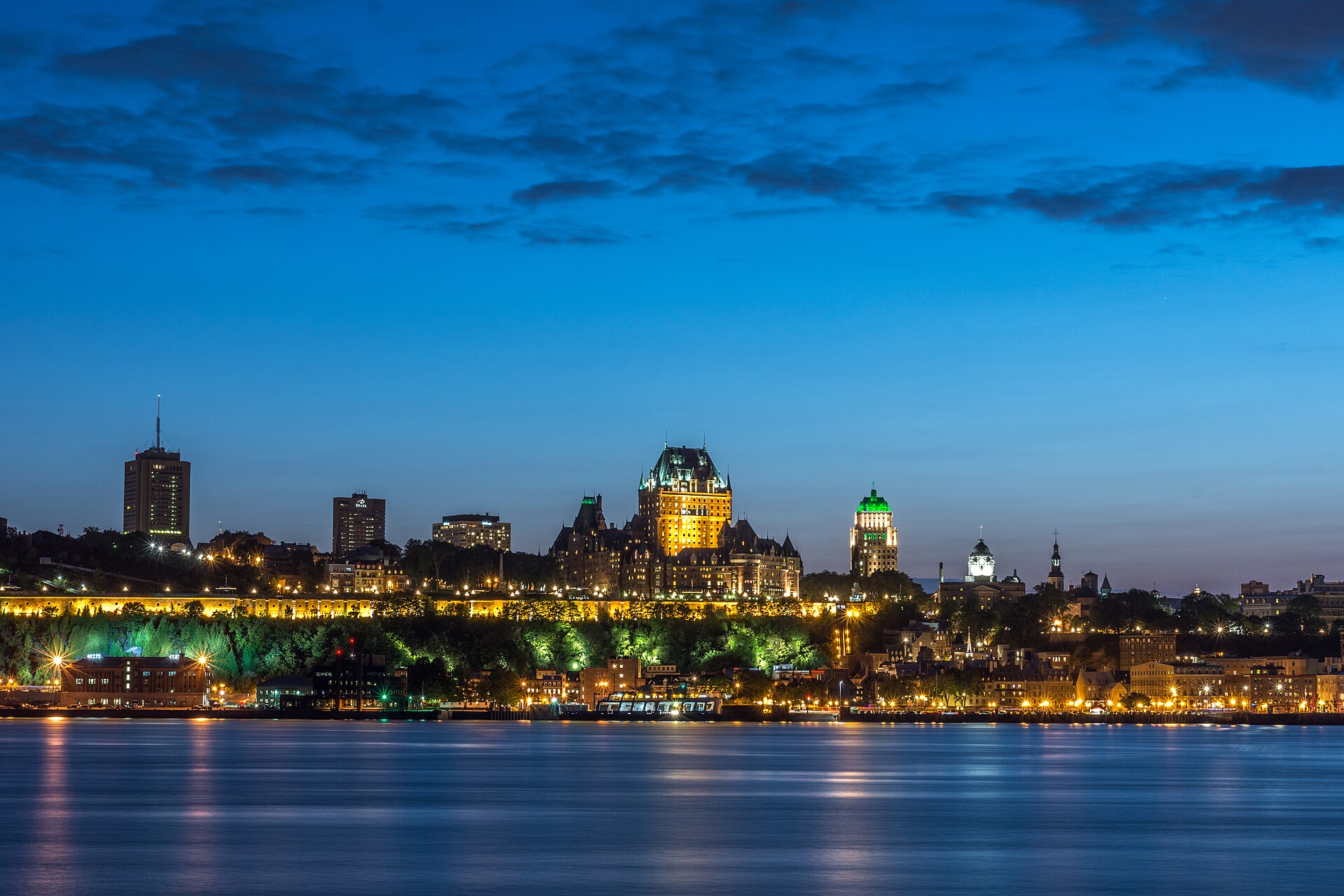
Contemporary visitors to Quebec City encounter religious heritage in multiple forms. The architecture of the city is shaped by centuries of religious construction. Street names reference saints and religious concepts. The calendar includes religious holidays and feast days. Art galleries and museums display religious artwork from various periods. The Old City's narrow streets and central cathedral plaza create the atmosphere of a European religious city, even as contemporary life operates in secular contexts. This coexistence of religious heritage and secular modernity creates a distinctive Quebec character.
Pilgrimage and Spiritual Tourism
While institutional Church influence has declined, pilgrimage and spiritual tourism remain significant phenomena. Sainte-Anne-de-Beaupré, a basilica located outside Quebec City, continues to attract tens of thousands of pilgrims annually. The shrine focuses on miraculous healings and maintains its role as a pilgrimage destination. Île d'Orléans, an island in the St. Lawrence River, retains rural character and has become a destination for spiritual seekers. The Basilica-Cathedral in Quebec City remains a destination for those seeking spiritual experience through art, architecture, and prayer. These practices suggest that while institutional Church influence has declined, spiritual seeking and religious experience remain meaningful for many Quebecers and attract international visitors.
Interfaith Quebec
Contemporary Quebec includes religious diversity unknown in earlier periods. Jewish, Muslim, Hindu, Buddhist, and other communities have established themselves in Quebec's cities. While Quebec remains predominantly Catholic by cultural inheritance, the presence of multiple religions has changed the religious landscape. Interfaith dialogue and cooperation increasingly characterize religious life. The assumption of religious homogeneity that characterized earlier Quebec has given way to recognition of pluralism. Yet this pluralism coexists with the overwhelming presence of Catholic heritage infrastructure and Catholic cultural influence, creating a unique Quebec situation of religious diversity occurring within a landscape historically and aesthetically dominated by Catholic institutions.
Experiencing Religious Heritage
The Future of Religious Heritage
The future of Quebec's religious institutions and heritage remains uncertain. The aging population of priests and nuns raises questions about sustainability of religious communities. The declining birth rate among Catholics affects the transmission of Catholic identity to new generations. Yet the architectural heritage will persist regardless of the number of practicing Catholics. The question becomes how to preserve and interpret religious buildings and practices for populations who may approach them as cultural heritage rather than as expressions of living faith. Museums and heritage preservation efforts document and present religious heritage. Secular governments fund maintenance of historic churches. The challenge is preserving the material and spiritual dimensions of religious heritage in a secular age.
Sources & Further Reading
- Dickinson, John A. "The Rnineau Missionaries and Indigenous Peoples in Early New France." The Canadian Historical Review, 1995.
- Mauduit, Dominique. "The Architecture of Faith: Quebec's Churches and Cathedrals." University of Montreal Press, 2008.
- Laurence, Jean-Marie. "Women Religious in Colonial Quebec: Education, Authority, and Community." McGill-Queens University Press, 2011.
- Lachance, Paul. "The Politics of Religion in Quebec: The Quiet Revolution and After." Journal of Church and State, 2006.
- Gagnon, Serge. "From Religious Community to Secular Society: The Transformation of Quebec." University of Toronto Press, 2002.
- Eid, Noureddine & Martin Pâquet. "Quebec and Religion: Diversity, Authority, and Identity." Oxford University Press, 2015.
- Quebec Heritage Foundation. "Religious Buildings of Quebec City: Conservation and Interpretation." Annual Report, 2025.
Related Articles in History