When English Privateers Threatened New France
In 1629, three decades before the establishment of British colonies in New England, an English privateering expedition arrived at Quebec with the intention of conquering the fledgling French colonial settlement. The siege that followed was brief by siege warfare standards—lasting only three months—but it represented the first serious military threat to the young colony of New France and nearly ended French colonialism in North America before it had truly begun. The siege ultimately ended not with a dramatic battle, but with starvation and the reluctant French surrender of their most important North American settlement.
The siege of 1629 was not a formal military campaign sanctioned by the English crown, but rather the work of privateers operating under what historians call "letters of marque"—essentially legalized piracy with tacit government support. The expedition was led by English sea captains David Kirke and his brothers, who commanded a naval force designed to disrupt French colonial enterprises and capture valuable fur trade assets. What made the siege historically significant was not its scale or the drama of its military operations, but rather its consequences: it briefly ended French colonial presence in Quebec and raised fundamental questions about which European power would dominate the North American continent.
The events of 1629 demonstrate how fragile the European colonial enterprises in North America truly were in the early 17th century. A small, determined naval force could threaten an entire colony. Moreover, the siege revealed the vulnerability of any colonial settlement dependent on sea supply lines. When those supply lines were cut, the colony faced not military defeat through valor on the battlefield, but slow strangulation through starvation. For the French, the experience was traumatic but instructive, and it shaped French strategy in North America for generations to come.
Colonial Rivalry and European Conflict
The siege of Quebec in 1629 was not an isolated event but rather part of a larger competitive struggle between English and French maritime powers in the Atlantic World. During the early 17th century, both nations were attempting to establish colonial footholds in North America. The French, through traders and Jesuits, had been increasingly present in the St. Lawrence valley since the early 1600s. The English, in their own colonial ventures, viewed French fur trading posts and settlements as commercial competitors and potential military threats.
The context for the siege was the broader European conflict known as the Thirty Years' War (1618-1648), which pitted Catholic powers against Protestant powers and disrupted international commerce and diplomatic relations. England and France found themselves on opposite sides of various alliances and conflicts during this period. While they were not formally at war during 1629, the privateering expedition against Quebec reflected the underlying tensions and competitive animosity that existed between French and English interests in the Atlantic World.
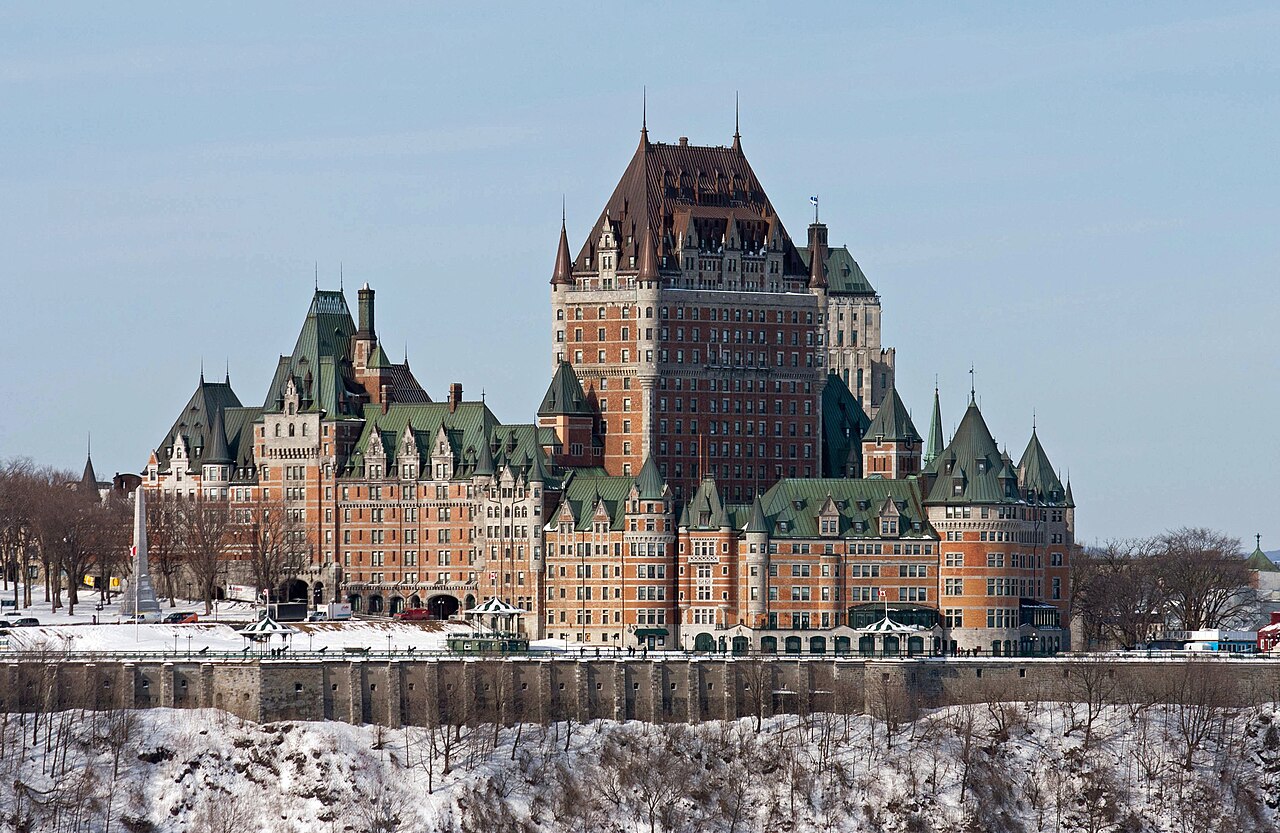

New France itself was at this time more of a commercial enterprise than a formal colonial settlement. The fur trade was extraordinarily profitable, and both French and English merchants were eager to access the wealth that the interior of North America offered. The settlement at Quebec, established by Samuel de Champlain in 1608, was still quite small and precarious. It consisted of a trading post, a few residences, a small chapel, and primitive fortifications designed more to protect against Indigenous raids than against European military expeditions. When the Kirke brothers arrived with their naval force, Quebec was not well-positioned to resist a determined attack.
"The colony was poorly supplied with ammunition and military stores. Its defenses were weak, and the settlers lacked the provisions to endure a prolonged siege. The English blockade cut off all hope of supply from France." — 17th-century account of the siege
Privateers Arrive: The Blockade Begins
In the summer of 1629, the privateering expedition led by David Kirke and his brothers sailed up the St. Lawrence River with orders to capture French colonial assets, disrupt the fur trade, and if possible, take Quebec itself. The English flotilla consisted of multiple ships and carried approximately 150 fighting men—a modest force by military standards, but more than sufficient to overwhelm Quebec's defenses. The French garrison at Quebec, under the command of Samuel de Champlain (now in his fifties and weakened by recent illness), consisted of perhaps 100 men, many of whom were traders and craftspeople rather than military soldiers.
Champlain's strategy was never to mount a direct defense against overwhelming odds, but rather to hold the settlement long enough for relief expeditions from France to arrive. He expected that such relief would come, as the French crown had invested considerably in New France and would be unwilling to see the colony captured without a fight. However, this expectation proved tragically optimistic. The combination of the ongoing civil and religious conflicts in France, the disruptions caused by the Thirty Years' War, and the sheer distance of the Atlantic journey meant that no relief expedition materialized. Quebec was, in essence, abandoned to its fate.
The actual military conflict during the siege was minimal. Rather than attempting a direct assault on the settlement's fortifications, the English strategy was more subtle and ultimately more effective. By establishing a naval blockade, the privateers prevented any supply ships from reaching Quebec from France. They also captured French trading posts and fur-laden ships throughout the St. Lawrence valley, further enriching themselves at French expense. The English essentially starved Quebec into surrender through the control of sea lanes rather than through traditional military assault.
As autumn approached in 1629, the situation in Quebec became desperate. Food supplies dwindled to near nothing, and the settlers faced the prospect of starvation as winter approached. Game was scarce, and the French settlement had never been designed for self-sufficiency; it had always relied on supplies from France. Faced with the choice between a futile resistance that would see his colonists starve or a negotiated surrender that would preserve their lives, Champlain chose the latter. In September 1629, he agreed to surrender Quebec to the Kirke brothers. The English took control of the settlement, its fortifications, and its valuable fur trading assets.
Starvation Forces French Surrender
The surrender of Quebec in 1629 was a remarkable moment in colonial history. Here was a European settlement that had taken two decades to establish, that had become the commercial center of the French fur trade, and that represented the ambitions of both the French crown and private investors—now falling to privateers without a pitched battle. The symbolic importance was enormous. If Quebec could be taken so easily, what did that say about the viability of French colonialism in North America?
What transpired after the surrender revealed the complex nature of privateering and the maritime world of the 17th century. The English occupation was not particularly harsh or oppressive. Champlain and many of the French colonists were transported back to France, where they could resume their lives. The English privateers were not interested in governing the territory; they were interested in profit. They maintained the fur trading post, using it to continue what had been a French enterprise under English management. The disruption to the colonial settlement was significant but not permanent.
The most consequential aspect of the occupation was not military or political, but diplomatic. The siege and subsequent occupation created an opportunity for negotiation between the English and French crowns. Both nations were increasingly aware of the value of North American colonies, and neither wanted a permanent state of privateering warfare that would disrupt commerce. Negotiations eventually led to the Treaty of Saint-Germain-en-Laye (1632), which restored Quebec to French control. The English returned the settlement, its fortifications, and its trading privileges to the French in exchange for territorial concessions elsewhere.
For the French, the recovery of Quebec was essential. The colony had survived its greatest existential threat, but only through diplomacy rather than military prowess. This experience contributed to French decision-making in subsequent decades. The French invested more heavily in fortifications at Quebec and other strategic locations. They also became more attentive to the need for sustained supply lines from France. The fragility revealed by the 1629 siege pushed the French to build a more robust colonial infrastructure.
"When the settlements were restored to France by the Treaty of 1632, the colonists returned not as conquerors but as survivors, and they had learned hard lessons about the perils of isolation and the importance of maintaining supply lines to the mother country." — Colonial historian account
Survival and Strengthening of New France
The siege of Quebec in 1629 had profound consequences that extended far beyond the immediate military and commercial disruptions. The event demonstrated to the French crown that North America was worth defending and investing in. Over the subsequent decades, the French government invested more substantially in colonial development, leading to increased immigration, more extensive fortifications, and a more organized colonial administration. Quebec grew from a precarious trading post into a more substantial settlement.
The experience also accelerated the development of Quebec's religious institutions. The French crown, viewing colonies as instruments of both commercial and religious expansion, increased its support for Jesuit missions and Catholic institutions in Quebec. Over the 17th and 18th centuries, Quebec became one of the most religiously prominent French colonial settlements, with an influence that extended far into the interior of North America through missionary work among Indigenous peoples.
For broader colonial history, the siege was emblematic of the maritime conflicts that characterized the age of European colonialism. Privateering was a common method through which smaller European powers could challenge the colonial ambitions of larger rivals. The success of the Kirke brothers in briefly capturing Quebec showed that naval power, not just land-based military might, would be crucial in determining which European nation would ultimately dominate North America. This lesson would shape military strategy for the next century and a half, culminating in the great struggles between the French and British that characterized the mid-18th century.
Finally, the siege contributed to the development of Quebec's identity as a place of resilience. The fact that the colony had survived an external threat (albeit briefly) and then been restored through diplomatic negotiation became part of Quebec's historical consciousness. The French Canadians who lived through the occupation and subsequent restoration developed a sense that their community, while threatened by more powerful neighbors, could endure. This resilience would become one of the defining characteristics of French-Canadian identity in the centuries to follow.
Explore Quebec's Oldest Quarters
While the 1629 siege left limited visible physical structures (most were rebuilt or renovated in subsequent centuries), the historic core of Quebec City that was defended by Champlain still exists. Walking through Old Quebec, you traverse the same streets and foundations that witnessed both the English occupation and the French settlement's survival. The experience of exploring these quarters provides direct connection to the siege's legacy.
Historic Sites & Museums
The Musée de la Civilisation (Museum of Civilization) offers exhibits that contextualize Quebec's early colonial period, including the siege of 1629. The museum presents artifacts, documents, and interpretive displays that help visitors understand the vulnerability of early colonial settlements and the significance of Quebec's survival. Exhibits on Samuel de Champlain and the early fur trade provide essential background for understanding why Quebec was worth fighting for.
The Cathedral-Basilica of Quebec, originally built in the 17th century (though substantially rebuilt after a fire in 1922), stands as a testament to the religious importance of Quebec from its earliest days. The building incorporates design elements that reference the colonial period, and the cathedral contains artifacts and artwork from the era of the siege. Walking around the cathedral, you can reflect on how central religion was to French colonial identity and how the church provided continuity and meaning to colonial community life.
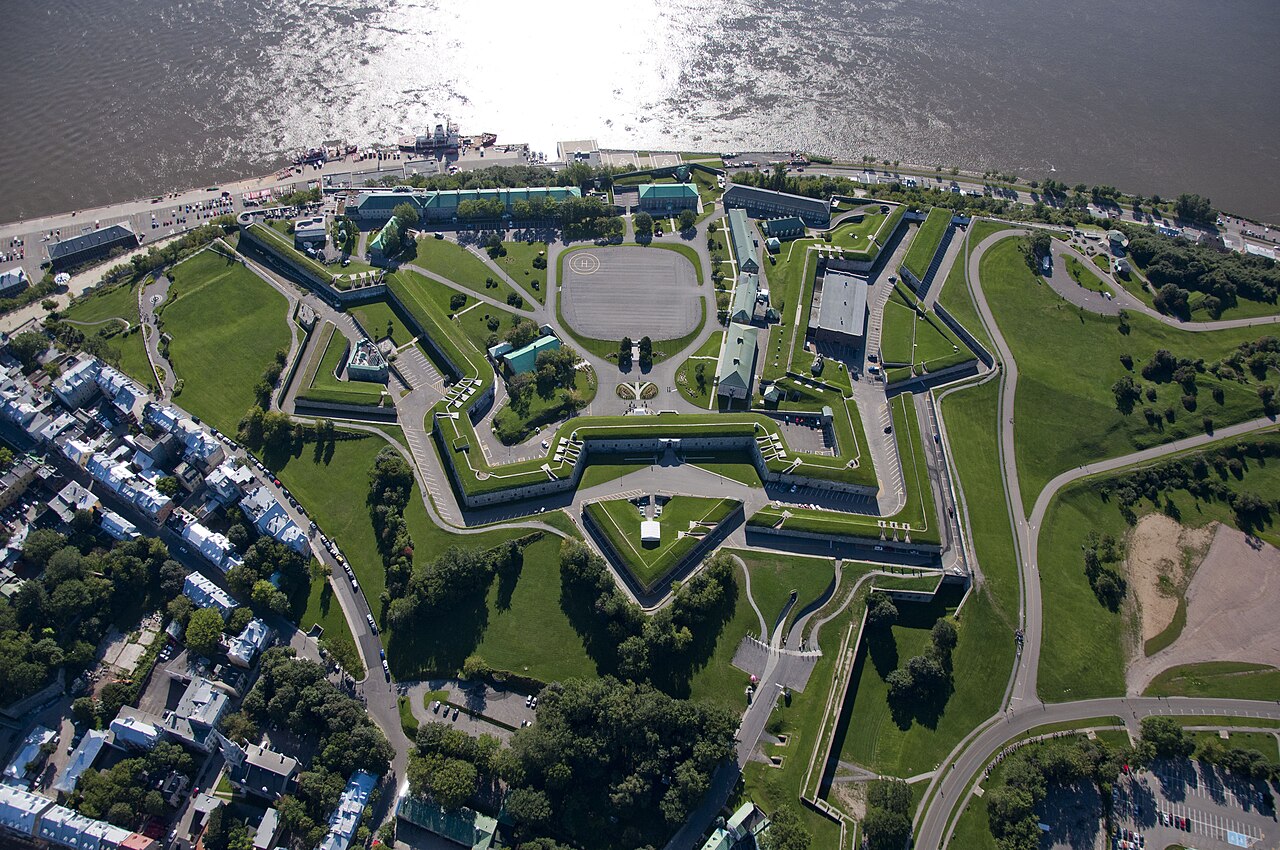
The Citadelle of Quebec, built in the 19th century but incorporating much older fortification traditions, allows visitors to understand the logics of colonial military defense. While the Citadelle itself postdates the 1629 siege by more than two centuries, its design reflects centuries of learning about what kinds of fortifications could actually defend against attack. A tour of the Citadelle provides insight into the evolution of colonial defense from Champlain's precarious trading post to the more substantial fortifications that would characterize the later colonial period.
Sources & References
- Trudel, Marcel. "The Beginnings of New France, 1524-1663." McClelland and Stewart, 1973.
- Fischer, David Hackett. "Champlain: The Life of Fortitude." Alfred A. Knopf, 2008.
- Moogk, Peter N. "Building a House in New France." McClelland and Stewart, 2000.
- Taylor, Alan. "American Colonies." Viking, 2001.
- Greer, Allan G. "The Jesuit Relations and Allied Documents: A Selection." Bedford/St. Martin's, 2000.
- Parks Canada. "Early Quebec: Colonial Settlement and the Kirke Occupation." Historical Documentation, 2024.
- Eccles, W. J. "Essays on New France." Oxford University Press, 1987.
Continue Exploring