The Secret Tunnels of Quebec City
Beneath Quebec City Lies an Underground World
For centuries, Quebec City's residents have whispered about tunnels stretching beneath the cobblestone streets of Old Quebec. These underground passages connect historic buildings, run beneath city streets, and disappear into the ancient bedrock beneath the city. Whether fact or folklore, the tunnels of Quebec City represent one of North America's most intriguing urban mysteries.
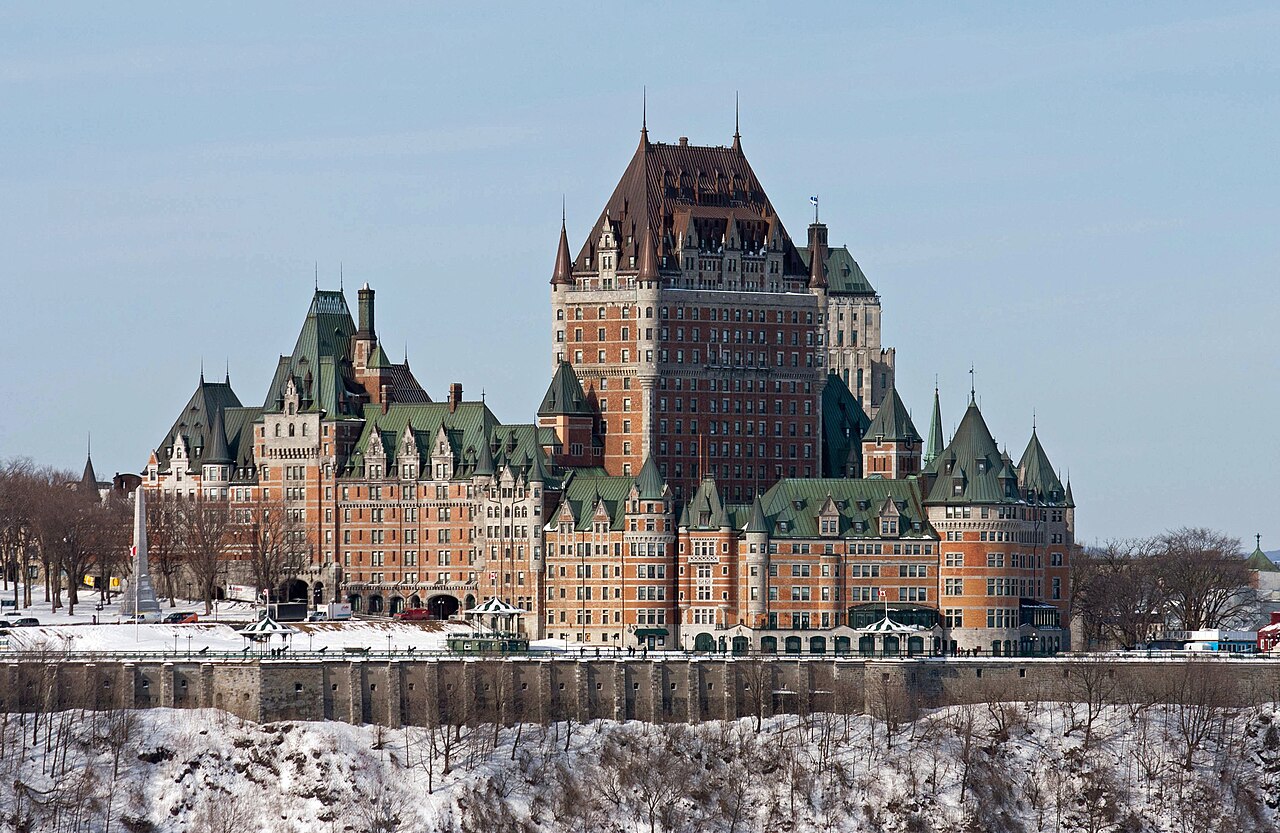
The city's geography naturally lends itself to subterranean construction. Built on steep cliffs overlooking the Saint Lawrence River, Quebec City sits atop layers of rock that have been quarried, carved, and excavated for over four centuries. The combination of colonial military engineering, prohibition-era bootlegging, and centuries of urban development has created a labyrinth of passages that remains largely unmapped and inaccessible to the public.
What makes these tunnels so elusive is the lack of official documentation. During the French colonial period and British occupation, military engineers kept their infrastructure plans secret. During Prohibition, bootleggers deliberately concealed their smuggling routes. Today, many tunnels are sealed, flooded, or hidden behind centuries of renovation and urban development.
"The tunnels of Quebec City are as mysterious as the city itself. Some are confirmed by historical records. Others exist only in local legend. The truth lies somewhere in between." - Quebec City Historical Society
Military Engineering & Defensive Tunnels
The oldest tunnels beneath Quebec City were built for military purposes. During the French colonial period (1608-1763), military engineers constructed underground passages connecting fortifications, ammunition depots, and defensive positions throughout Old Quebec. These weren't crude tunnels—they were engineered passages designed to allow soldiers and supplies to move safely between strategic points without exposure to enemy fire.
The most documented military tunnels connect to the Citadelle of Quebec, the historic star-shaped fortress that dominates the upper city. Built between 1820 and 1832 by the British, the Citadelle contains numerous underground passages, some of which extend toward nearby historic sites. French colonial records from the 1700s reference underground "galleries" and "mine passages" constructed during military campaigns and fortification building.
The Citadelle Connection
The Citadelle of Quebec remains the most intact military fortress in North America. While visitors can tour the above-ground portions, the underground passages remain mostly off-limits to the public. Military historians have confirmed that tunnels in the Citadelle extend for several hundred meters, connecting barracks, ammunition storage, and observation posts. Some passages reportedly lead toward the city's lower town, though exact routes remain unconfirmed.
Cathedral-Holy Trinity Cathedral
One of the most persistent rumors involves a tunnel connecting the Cathedral-Basilica of Notre-Dame de Québec to nearby convents and religious buildings. During the French colonial period, the Catholic Church wielded significant political and military power. Some historians suggest that underground passages allowed clergy and religious officials to move discreetly between religious institutions, particularly during times of conflict or political turmoil.
"Military necessity created these tunnels. Then history buried them. Now they exist in the space between documented fact and local legend." - McGill University Archives
Prohibition-Era Smuggling Networks
When Prohibition swept across North America (1920-1933), Quebec City experienced an underground economic boom. While the United States enforced strict alcohol bans, Canada maintained legal drinking. Quebec City became a major smuggling hub, with bootleggers moving contraband spirits across the border through an elaborate network of hidden routes and secret passages.
The prohibition era didn't create the tunnels—but it certainly utilized them in new and creative ways. Bootleggers discovered, expanded, and connected pre-existing passages to create efficient smuggling corridors. Alcohol was transported from distilleries in the lower town, through underground routes, and to secret storage facilities in upper Quebec. From there, it was smuggled south to the United States through various routes, including across the frozen Saint Lawrence River in winter.
The Whiskey Trade
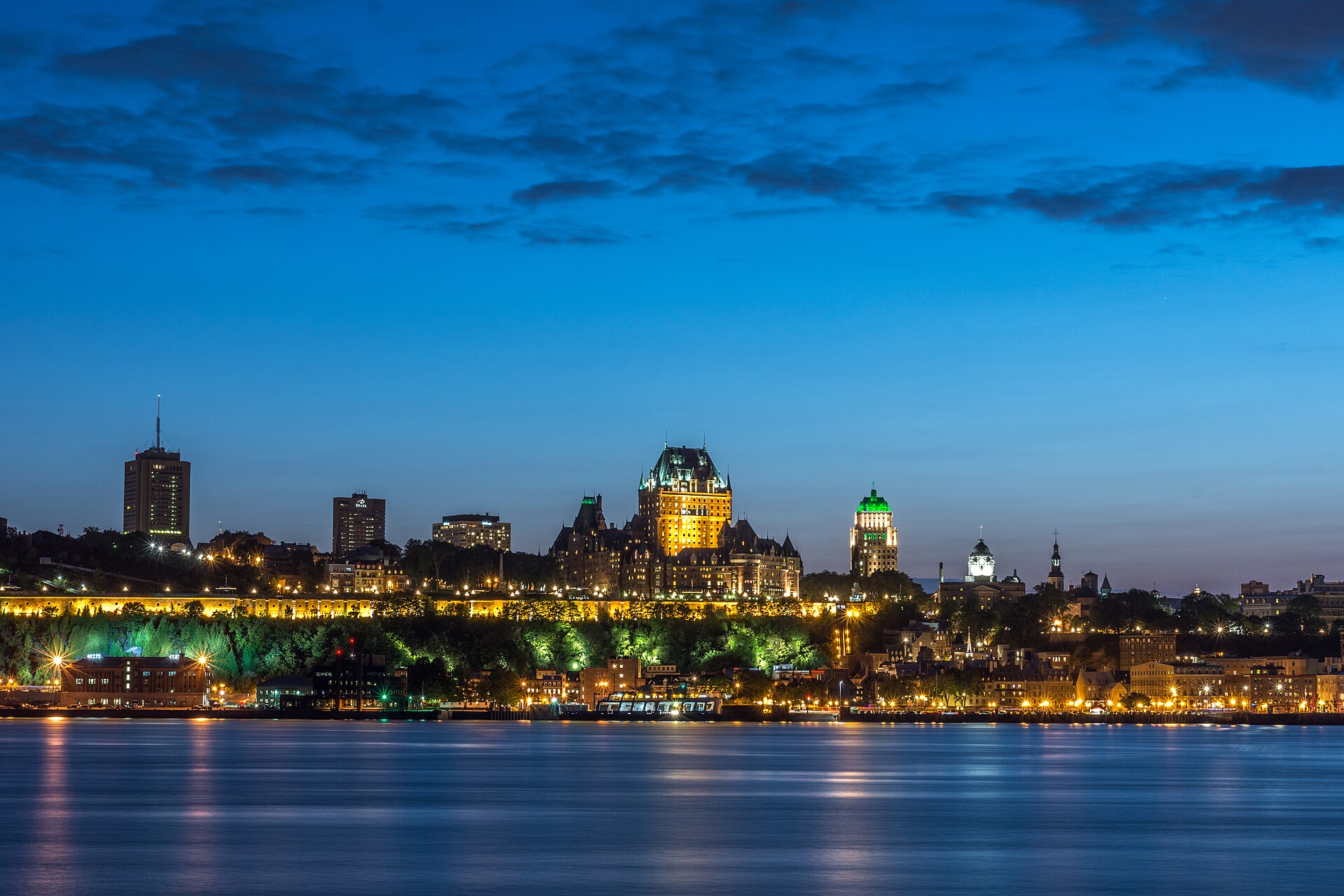
Quebec City's distilleries—particularly those near the harbor—could move their products directly into the tunnel network. The natural geography of the city, with its dramatic elevation change between lower and upper town, made tunneling feasible for merchants looking to avoid taxes and customs inspections. Some tunnels reportedly connected directly to the waterfront, allowing boats to load and unload cargo with minimal exposure.
Speakeasies & Hidden Bars
While famous speakeasies operated in Montreal and Toronto, Quebec City had its own underground social scene. Secret bars and gambling dens utilized tunnel access to discreetly admit customers and quickly hide contraband when authorities approached. Several historic buildings in Old Quebec allegedly contain concealed passages that once connected to these underground establishments.
The Rum Runner's Route
One persistent legend describes a major tunnel connecting the Old Port area directly to the Citadelle or nearby buildings, creating a vertical smuggling route. Bootleggers would allegedly move product up through the tunnels at night, store it in upper-town buildings, and transport it across the border the following day. The tunnel's existence would explain how bootleggers managed such an efficient operation during Prohibition's peak years.
"Prohibition created criminals, but the tunnels already existed. Bootleggers simply inherited an infrastructure that had been sitting empty for decades." - Quebec Heritage Foundation
What Historians and Archaeologists Have Confirmed
While many tunnel stories remain in the realm of local legend, archaeological and historical research has confirmed several tunnels and underground structures. The challenge lies in the fact that Quebec City's urban landscape has been constantly rebuilt, renovated, and repurposed over 400 years. What's clearly documented in historical texts sometimes vanishes during modern construction or remains sealed and inaccessible.
Confirmed Underground Structures
Archaeology teams have confirmed the existence of:
- The Citadelle's inner passages: Multiple chambers and corridors documented in military blueprints and partially explored by authorized tours
- Beneath Rue de la Fabrique: Underground arches and stone chambers discovered during construction projects in the 1990s
- Old Port drainage systems: Extensive networks of utility tunnels, some dating to the 18th century
- Seminary of Quebec foundations: Subterranean chambers beneath the historic seminary building
Quarries & Extraction Sites
Much of Quebec City is built atop limestone and dolomite bedrock. For centuries, these materials were quarried for construction. The quarry sites themselves created natural caverns and networks of passages. In the 18th and 19th centuries, these abandoned quarries were sometimes repurposed—as storage facilities, ice houses, or even hiding places during conflicts. Some quarries may have been intentionally connected by tunnels to facilitate transport of stone.
Documentation from City Archives
Quebec City's municipal archives contain occasional references to "underground passages" in property deeds, renovation permits, and public works records dating back centuries. However, these references are often vague and sometimes contradictory. Building plans from the 18th century occasionally show small tunnels connecting neighboring properties, but the purpose—whether drainage, storage, or escape routes—remains unclear.
The Challenge of Urban Archaeology
Modern Quebec City makes comprehensive tunnel exploration difficult. Buildings are occupied, streets are paved, utility lines run underground, and property owners often resist excavation. Additionally, many tunnels may have collapsed, flooded, or become inaccessible over centuries. Some have been intentionally sealed for safety reasons. This creates a situation where tunnel networks that likely exist remain largely unexplored and unconfirmed.
"The best way to hide something in a city is to bury it. Quebec City has done this exceptionally well." - Laval University Department of History
Modern Tunnel Explorers and Urban Archaeology
In recent decades, urban explorers, historians, and archaeology enthusiasts have become increasingly interested in Quebec City's underground passages. Using historical maps, geological surveys, and careful excavation, researchers have attempted to map and document the tunnel network. While dramatic discoveries occasionally make headlines, the reality is that comprehensive exploration remains challenging and sometimes controversial.
GPR and Geological Surveys
Ground-penetrating radar (GPR) has allowed researchers to detect underground voids and passages without requiring excavation. Surveys of Old Quebec have identified numerous anomalies consistent with tunnels or underground chambers. However, interpreting this data is difficult—some anomalies are ancient tunnels, others are merely spaces created by weathering or subsidence.
Licensed Explorations
A few private exploration groups have received permission to investigate specific tunnels. The Quebec City Museum and the Historic Monuments Commission have sponsored limited archaeological digs in locations where tunnels are documented. These investigations have yielded artifacts suggesting continuous human activity underground—from colonial period ceramics to prohibition-era bottles.
The Future of Tunnel Research
As Quebec City continues to evolve and modern construction projects continue, opportunities for tunnel discovery arise. New condo developments, subway-adjacent projects, and utility work occasionally uncover previously unknown passages. Each discovery adds another piece to the puzzle, but the complete picture remains elusive.
⚙️ Active Research & Exploration
Virtual Tours & Digital Documentation
Unable to explore many tunnels in person, researchers are creating 3D digital models and virtual tours. These allow archaeologists and the public to visualize tunnel networks and explore theories about how they might have connected. As more data is collected, these models become increasingly accurate and comprehensive.
Where to Explore & Learn About Quebec City's Tunnels
While most tunnels remain inaccessible to casual visitors, several museums and guided tours offer opportunities to learn about Quebec City's underground history. Some historic sites provide limited access to tunnel sections, and walking tours through Old Quebec highlight buildings with confirmed underground features.
The Citadelle of Quebec
The most visited tunnel-related site in Quebec City. The Citadelle offers public tours that include some underground passages and chambers. While not all tunnels are accessible, visitors can explore sections of the fortress and learn about its defensive design. Spring through fall, the Citadelle hosts extended tours of underground infrastructure.
📍 Citadelle of Quebec
Quebec City Museum (Musée de la Civilisation)
Occasionally features exhibits about underground history and tunnel discoveries. Check their website for current exhibitions related to colonial and prohibition-era infrastructure. The museum's archives contain historical maps and documents about tunnels.
Old Quebec Walking Tours
Several tour operators offer "Hidden History" or "Underground Legends" themed walks through Old Quebec. These guides share documented tunnel locations and folklore while walking the streets above. Tours typically run 2-3 hours and cover 1-2 kilometers of the Old Quebec district.
Self-Guided Exploration
Consider booking a walking tour first to understand the geography, then explore on your own. Key locations to visit include the Citadelle, Cathedral-Basilica of Notre-Dame, the Old Port district, and Rue de la Fabrique. While you won't descend into tunnels, you'll stand above them and understand the city's layered history.
🎯 Best Time to Visit
Sources & Further Reading
- Quebec City Historical Society. "Underground Quebec: Mapping the Tunnel Network." 2024
- Morisset, Jean-Marie. "Architecture Militaire: The Citadelle and Its Passages." Laval University Press, 2018
- Dubé, Yves. "Bootleggers and Tunnels: Prohibition-Era Smuggling in Quebec." Quebec Heritage Foundation, 2019
- Côté, Michel. "Below the City: Archaeological Evidence of Underground Infrastructure in Old Quebec." Archaeological Survey Report, 2023
- Saint-Onge, Nicole. "Water, Stone, and Time: Quarries and Caves Beneath Quebec City." Environment Quebec, 2022
- National Archives of Canada. "Military Blueprints: French Colonial Fortifications, 1660-1760"
- McGill University Digitization Project. "Prohibition in Canada: Primary Sources and Documentation"
- UNESCO World Heritage Centre. "Historic District of Old Quebec: Site Documentation and Analysis"