Why Old Quebec Earned UNESCO World Heritage Status
In 1985, UNESCO recognized Old Quebec as a World Heritage Site, acknowledging it as a place of outstanding universal value and cultural significance. This designation places Quebec City alongside such legendary historical sites as the Great Wall of China, Angkor Wat in Cambodia, and the pyramids of Giza. The recognition reflects the exceptional historical, cultural, and architectural value of this uniquely preserved enclave, which stands as the only fortified city north of Mexico with its walls still intact.
Old Quebec's UNESCO designation honors the fact that this walled city represents a living window into the seventeenth and eighteenth centuries, when European civilization collided with and was transformed by the North American landscape. The architecture, street layout, and urban planning reflect centuries of French colonial influence, British rule, and the distinctive Québécois identity that emerged from this intersection. Walking through the narrow cobblestone streets of Old Quebec is an experience of authentic historical immersion virtually unmatched in North America.
The significance of Old Quebec extends beyond its physical preservation. The site represents the cultural continuity of French-speaking civilization in North America, a heritage that has survived conquest, assimilation pressures, and the homogenizing forces of modernity. The residents who live in Old Quebec, the shop owners who maintain traditional businesses, and the cultural institutions that flourish in this neighborhood all contribute to making Old Quebec a genuinely living heritage site, not merely a museum of the past.
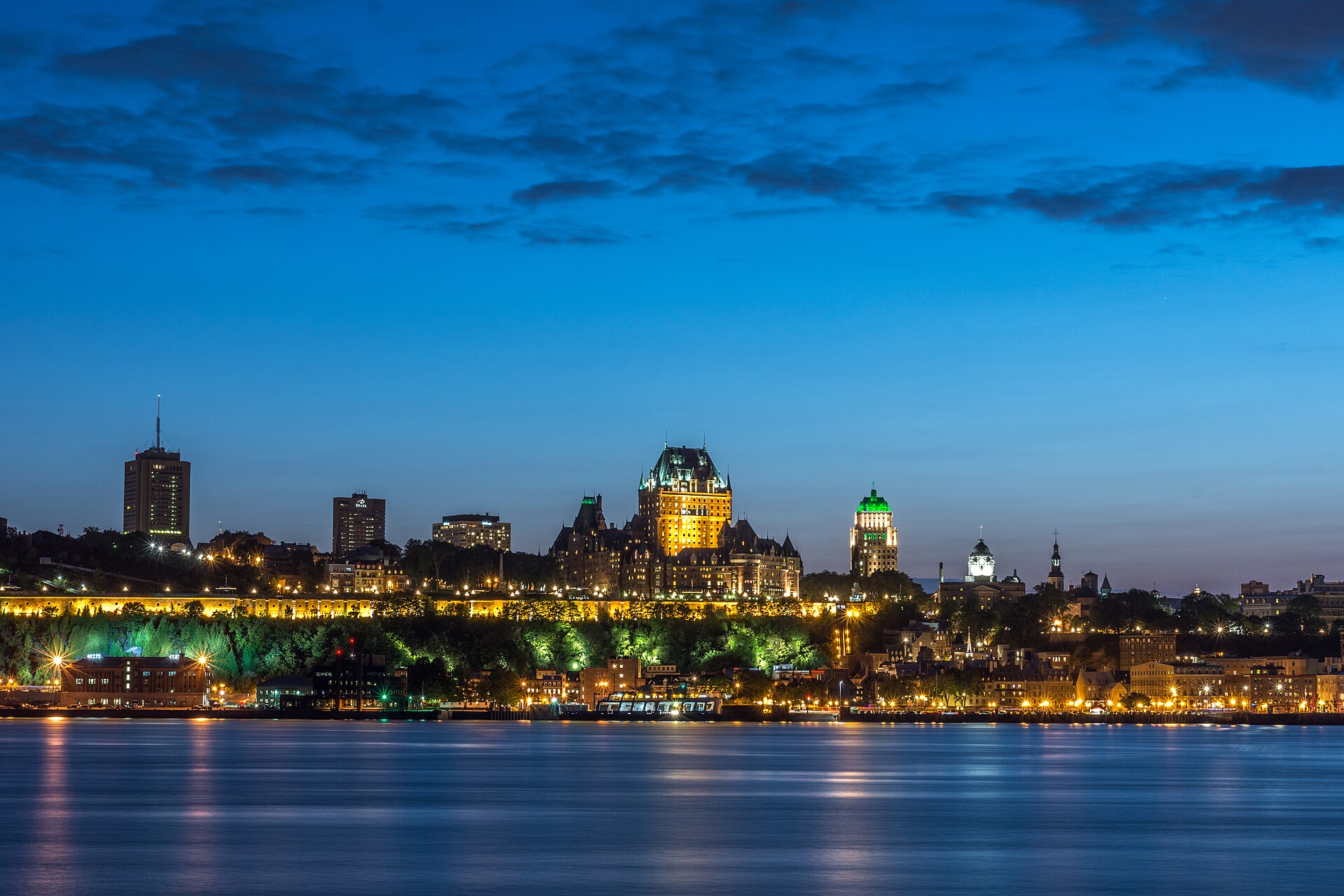
"Old Quebec is the living testimony to the meeting of two civilizations and a most extraordinary site where authentic history is written into the very stones of the streets."
— UNESCO World Heritage Committee
How Old Quebec Became a World Heritage Site
The process of designating Old Quebec as a UNESCO World Heritage Site began years before the 1985 official recognition. Canadian historians, cultural administrators, and community leaders recognized that this unique enclave represented something extraordinary—a surviving example of European colonial settlement in North America that had been continuously inhabited and adapted rather than abandoned or reconstructed. The architectural integrity, the street layout, and the cultural continuity all pointed to a site of genuine historical significance.
UNESCO's World Heritage criteria require that sites demonstrate outstanding universal value and meet specific standards relating to authenticity and integrity. Old Quebec met all these criteria. The nomination highlighted the site's representation of European and French colonial culture transplanted to North America, the quality of its architectural heritage, and the remarkable preservation of its urban structure and planning. The testimony to successful cultural adaptation and continuity over more than three and a half centuries was particularly important to the evaluation.
The Evaluation Criteria
UNESCO evaluators assessed Old Quebec against multiple criteria. They recognized Criterion II: the architectural styles and urban planning reflected a fusion of European and North American building traditions that had significant cultural influence. Criterion IV acknowledged the architectural and urban design excellence of the seventeenth and eighteenth century colonial settlement. Criterion VI recognized the association of Old Quebec with ideas and experiences of profound historical significance, representing the unique French presence in North America.
The 1985 recognition placed Old Quebec among an elite group of World Heritage Sites, a designation that brought international attention, tourism, and responsibility for preservation. Canadian federal and provincial authorities, the municipal government, and property owners all understood that this recognition carried obligations to maintain the site's authenticity and integrity for future generations.
The Architectural Treasures of Old Quebec
The architectural character of Old Quebec represents a unique synthesis of European, particularly French, building traditions adapted to the North American climate and landscape. The narrow cobblestone streets that wind through the old city were designed according to medieval urban planning principles, creating dense, walkable neighborhoods that maximize the use of limited space within the fortified walls. The building heights, proportions, and materials reflect centuries of continuous habitation and incremental improvements rather than wholesale reconstruction or modern development.
The buildings of Old Quebec showcase a remarkable range of architectural styles spanning from the seventeenth century to the present day. Early colonial structures employed heavy timber framing with stone foundations, designed to withstand the brutal Quebec winters. Later buildings, particularly those built during the eighteenth and nineteenth centuries, demonstrate the evolution of French colonial architecture toward greater sophistication and ornamentation. The distinctive rooflines with their dramatic slopes are specifically designed to shed the heavy snow loads characteristic of the Quebec climate.
Distinctive Architectural Features
Several architectural characteristics distinguish the buildings of Old Quebec from other North American colonial sites. The predominance of stone construction reflects both the availability of local materials and the desire for fire-resistant structures in densely built neighborhoods. Many buildings feature dormer windows integrated into the roof slopes, creating distinctive silhouettes that are instantly recognizable as Québécois. The interior courtyards, common in Old Quebec buildings, provide light, ventilation, and private outdoor space while maintaining the dense urban fabric at street level.
The street-level commercial spaces, many of which remain in active use as shops, restaurants, and galleries, preserve the traditional mixed-use character of the urban environment. The windows, doors, and decorative elements often reflect historical practices while accommodating modern needs. This balance between preservation and adaptation is one of the greatest achievements of Old Quebec's conservation efforts.
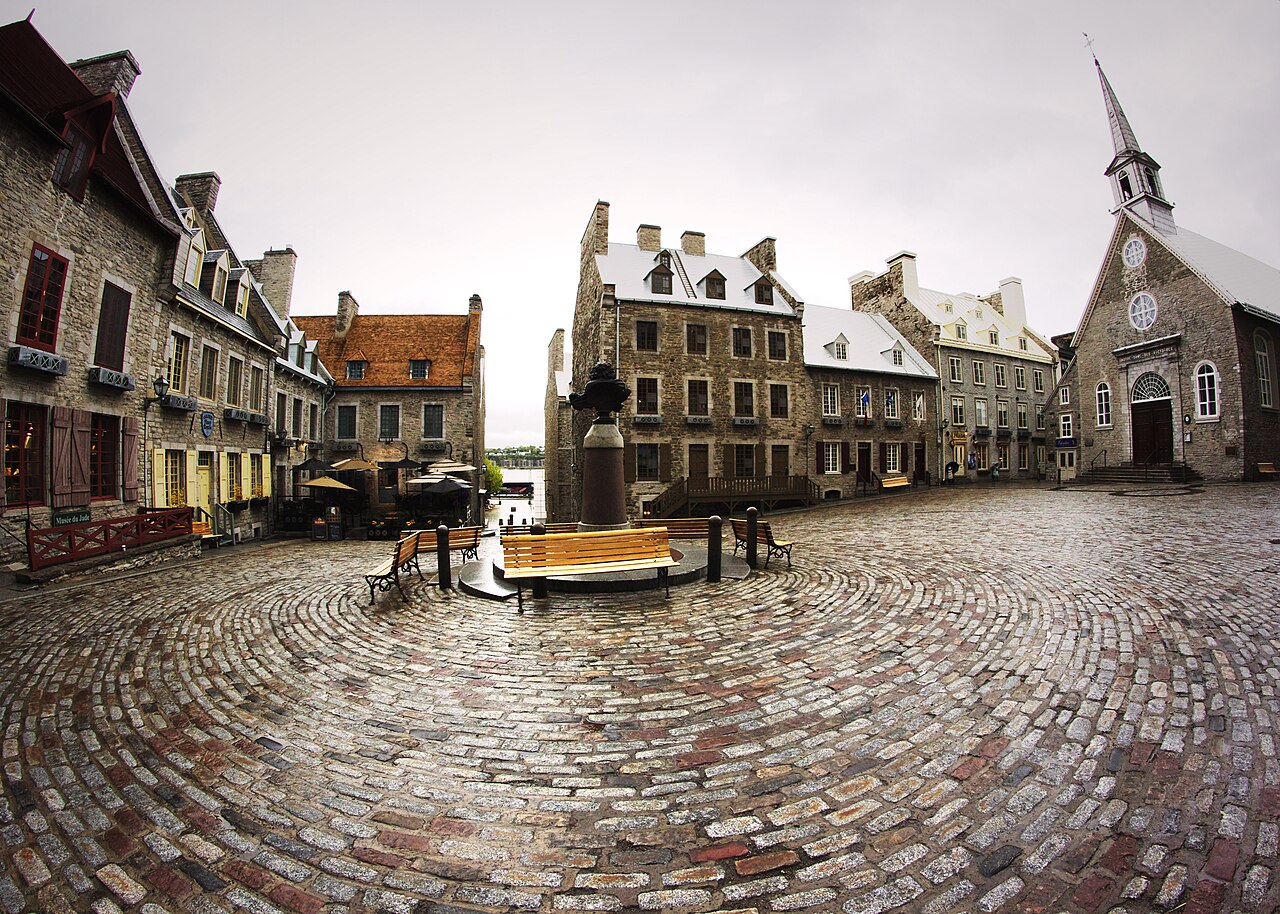
"Every street corner, every building façade tells a story of French colonial life, of adaptation to the harsh environment, and of the remarkable cultural persistence of Quebec."
— Architectural historians
Conservation & Stewardship of Old Quebec
The preservation of Old Quebec as a living, functioning neighborhood with residents, businesses, and cultural institutions represents one of the most successful heritage conservation projects in North America. Unlike some heritage sites that become frozen in time or transformed into museums, Old Quebec continues to evolve while maintaining its essential character and historical integrity. This balance between conservation and adaptation is achieved through careful regulation, community involvement, and a shared commitment to preserving the neighborhood's authentic character.
The Quebec City metropolitan area, in cooperation with federal and provincial heritage authorities, has implemented comprehensive preservation guidelines that govern changes to buildings, streets, and public spaces within the UNESCO World Heritage site. These guidelines establish standards for restoration, renovation, and new construction that respect historical character while permitting necessary modernization. Property owners must obtain approval for exterior modifications, ensuring that changes are consistent with the neighborhood's architectural heritage and historical development patterns.
Community-Based Stewardship
Perhaps the most important factor in Old Quebec's successful preservation has been the commitment of residents and business owners to maintain the neighborhood's character. Residents serve as stewards of the built environment, making decisions about how to adapt their properties while preserving their historical features. Shop owners maintain traditional storefronts and continue the neighborhood's commercial functions. Cultural institutions, restaurants, galleries, and theaters ensure that Old Quebec remains a vibrant center of activity rather than a static museum piece.
The economic vitality of Old Quebec depends on sustainable tourism, careful regulation of commercial activities, and policies that support residential occupancy. The neighborhood has largely avoided the commercialization that has overwhelmed other heritage sites, maintaining a genuine mix of residents and businesses that serves local needs while accommodating visitors interested in history and culture. This balance is delicate and requires ongoing attention from city planners, heritage authorities, and community members.
Challenges and Future Preservation
Like all heritage conservation efforts, Old Quebec faces ongoing challenges. Climate change presents new pressures on historic structures designed for previous climatic conditions. Tourism pressure creates both benefits and burdens for residents. Modern infrastructure needs must be accommodated within the constraints of a historic urban environment. The cost of maintaining and restoring historic buildings can be prohibitive for individual owners, requiring creative funding mechanisms and public support.
Looking forward, the preservation of Old Quebec will depend on continued commitment from multiple stakeholders: government authorities enforcing protective regulations, residents maintaining their properties and community spirit, business owners sustaining the economic vitality of the neighborhood, and visitors respecting the authentic character of this exceptional place. The challenge is to ensure that Old Quebec remains not just a monument to the past, but a thriving community where history is actively lived and experienced.
Old Quebec as Living Center of French Culture in North America
Beyond its status as a heritage site, Old Quebec functions as the cultural heart of French-speaking North America. The neighborhood hosts theaters, museums, galleries, and cultural institutions that celebrate Quebec's distinct artistic traditions. The Quebec City Festival d'été brings international and local performers to outdoor stages in the historic district. The neighborhood's restaurants and cafés maintain Québécois culinary traditions while attracting international visitors. Literary figures, musicians, visual artists, and performers have long been drawn to Old Quebec, contributing to its reputation as a center of artistic creativity.
The linguistic character of Old Quebec deserves particular emphasis. This is overwhelmingly a French-language community, where French is the language of daily commerce, education, cultural activity, and social interaction. This linguistic continuity across more than three and a half centuries represents the most remarkable testimony to the survival and vitality of French civilization in North America. Unlike heritage sites that preserve only physical structures, Old Quebec preserves living cultural practices, including language, cuisine, artistic traditions, and social customs.
Festivals and Cultural Events
Throughout the year, Old Quebec hosts festivals and cultural events that celebrate the neighborhood's traditions while drawing visitors from across the world. The Festival d'été in summer brings free performances of music, dance, theater, and performance art to outdoor spaces. Winter carnival celebrations continue traditions dating back centuries, with elaborate parades, ice sculptures, and community festivities. The neighborhood's galleries and museums mount exhibitions reflecting Quebec's artistic heritage and contemporary creativity.
Educational and Scientific Contribution
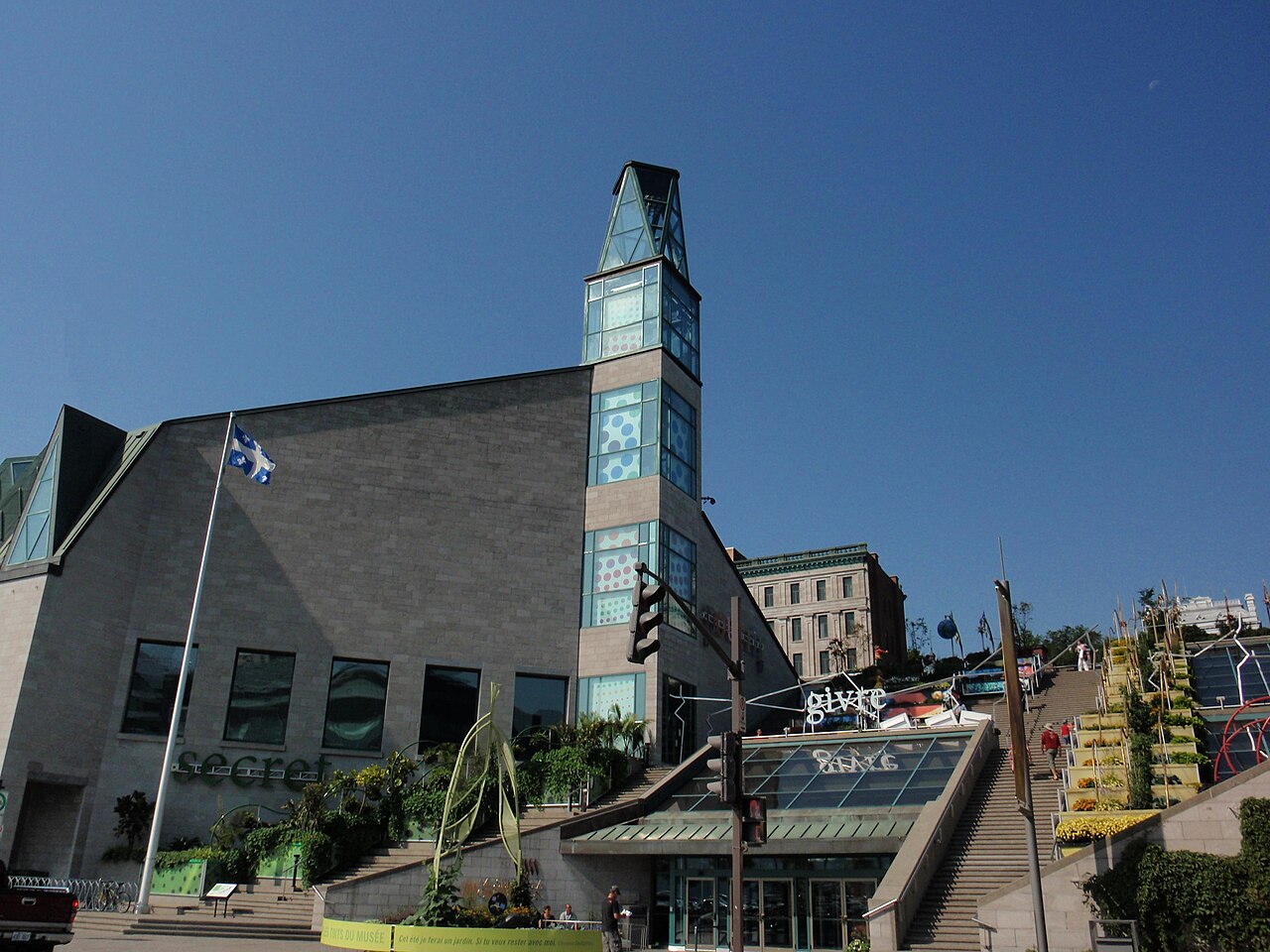
Several educational institutions are located in or adjacent to Old Quebec, including university departments, research centers, and museums focused on Quebec history and culture. These institutions contribute to the scholarly understanding of the site's historical significance and support the neighborhood's function as a center of learning. The Musée de la Civilisation, the Musée du Québec, and numerous smaller museums and interpretation centers provide multiple perspectives on the region's history, culture, and contemporary life.
Plan Your Visit to Old Quebec
Visiting Old Quebec is a journey into living history. Unlike reconstructed heritage sites or heritage museums, Old Quebec is a functioning neighborhood where you can walk the same cobblestone streets that have existed for centuries, enter shops and restaurants housed in buildings that are centuries old, and experience the daily life of a French-speaking community that has maintained its cultural identity across generations. Whether you spend an afternoon wandering the streets or commit to a multi-day exploration, Old Quebec offers an immersive historical experience.
Getting Oriented
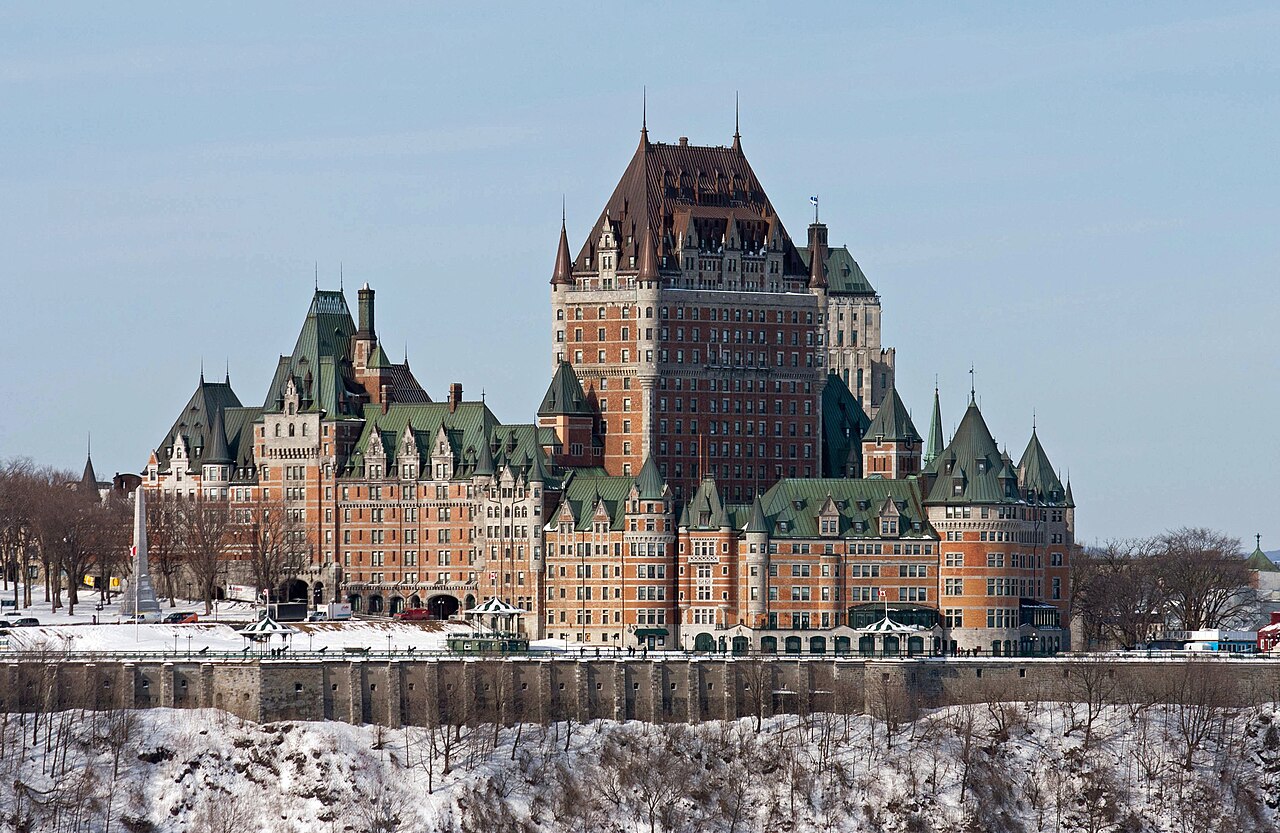
Old Quebec divides into two distinct zones: the Upper Town, dominated by the Château Frontenac and governmental buildings, and the Lower Town, which centers around the historic port area and features Petit-Champlain and narrow alleyways lined with shops and galleries. The fortification walls create a distinct boundary, with seven gates providing access to the neighborhood. Walking is the best way to experience Old Quebec, as the narrow streets and dense urban fabric are designed for pedestrians, not vehicles.
Planning Your Visit
Suggested Itineraries
Half-Day Visit: Focus on the main attractions of Upper Town (Château Frontenac, Cathedral) and descend to Lower Town for Petit-Champlain and waterfront views. Visit one or two museums based on your interests.
Full-Day Visit: Explore both Upper and Lower Towns thoroughly, visit 2-3 museums, enjoy lunch at a local café, and experience the neighborhood's galleries and shops. Participate in evening cultural activities or dining.
Multi-Day Exploration: Stay in a guesthouse within Old Quebec to fully experience the neighborhood. Attend cultural performances, participate in workshops, take guided historical tours, and gradually discover hidden courtyards and quieter streets.
Accessibility and Practical Information
Old Quebec's cobblestone streets and historic architecture create accessibility challenges for visitors with mobility issues. Many streets are steeply sloped, and buildings rarely have elevators. However, the Upper Town areas are relatively flat, and many museums and restaurants have made accessibility improvements. Public restrooms are available in museums and restaurants. Walking shoes are essential due to the uneven street surfaces.
Explore More Quebec History
Sources & References
- UNESCO World Heritage Centre. "Old Quebec." Inscription No. 300, World Heritage List, 1985. Official UNESCO designation and criteria documentation.
- Parks Canada. "Old Quebec: World Heritage Site Management Plan." Canadian Heritage, 2010. Strategic framework for conservation and stewardship.
- Noppen, Luc. "Quebec: Three Centuries of Architecture." Canadian Centre for Architecture, 2003. Comprehensive architectural history of the region.
- Moogk, Peter N. "Building a House in New France." University of Chicago Press, 2000. Architectural and social history of colonial Quebec.
- Collard, Eileen A.H. "Nineteenth-Century Furniture in Upper Canada Village." Dundurn Press, 1999. Material culture and domestic history.
- Havard, Gilles. "The Great Peace of Montreal of 1701: French-Native Diplomacy in the Seventeenth Century." McGill-Queen's University Press, 2001. Colonial diplomatic history.
- Trigger, Bruce G. "The Children of Aataentsic: A History of the Huron People." McGill-Queen's University Press, 1987. Indigenous history and cultural continuity.
- City of Quebec. "Historic District of Old Quebec: Conservation Guidelines." Municipal Planning Department, ongoing. Local preservation regulations and standards.
- International Council on Monuments and Sites. "Heritage in Peril: Monitoring and Policy Making." ICOMOS, 2007. Contemporary challenges in heritage conservation.
- Laurence, Ariane. "Living Heritage: The Role of Community in UNESCO World Heritage Sites." World Heritage Review, 2012. Analysis of community stewardship models.