When Quebec City Became the Center of the Free World
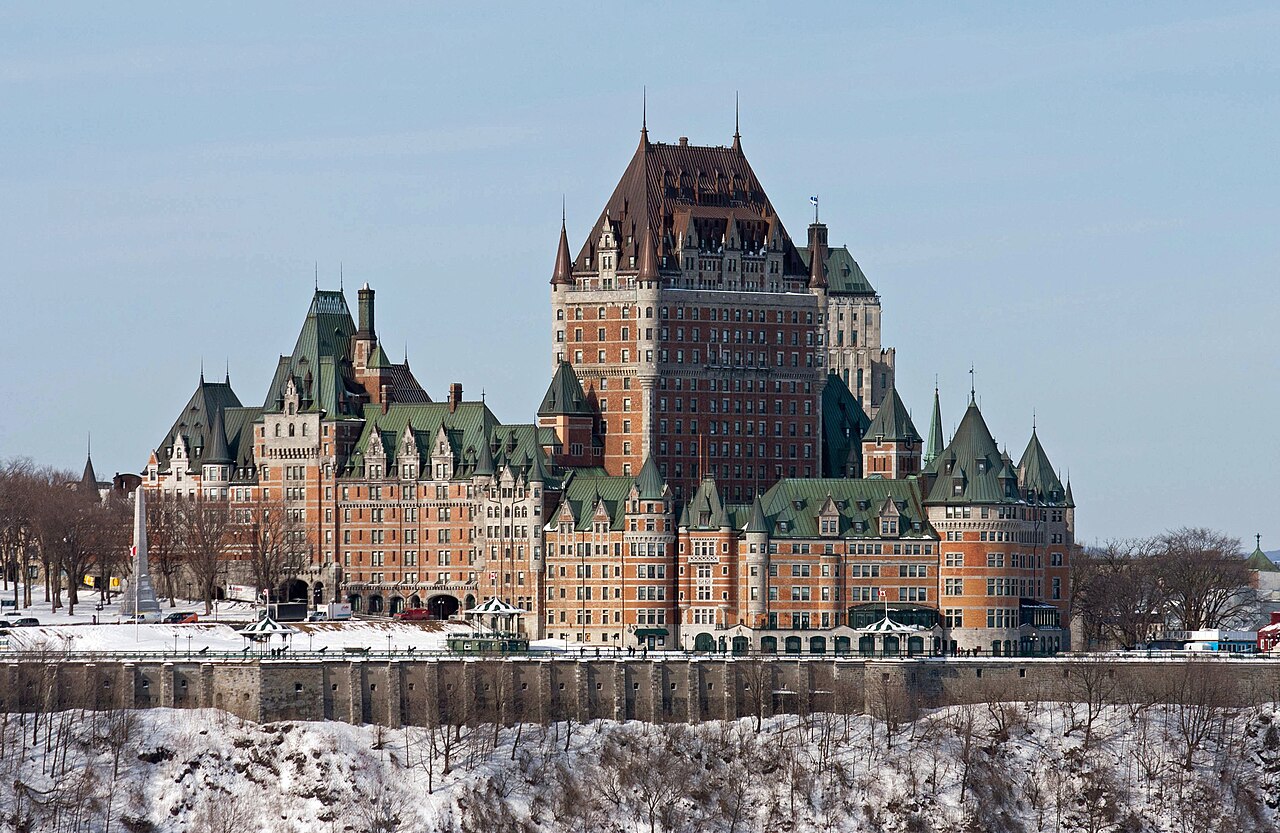
In August 1943 and September 1944, while Nazi Germany controlled most of continental Europe, two men who commanded the military might of the Western world converged on the grand Château Frontenac in Quebec City. Here, shrouded in secrecy and guarded by Canadian soldiers, British Prime Minister Winston Churchill and American President Franklin D. Roosevelt would make decisions that determined the fate of millions and shaped the postwar world order.
These two conferences—codenamed QUADRANT and OCTAGON—represented the diplomatic and military apex of the Allied war effort. From these corridors emerged the commitment to invade Normandy, the agreement to develop atomic weapons together, and the strategic vision that would drive Nazi Germany to surrender. Quebec City, far from the battlefields yet intimately involved in directing them, became the strategic nerve center of democracy's fight for survival.
"The future of civilization and human freedom rests on whether the children born during this war shall have an opportunity to grow up in peace and security."
— Franklin D. Roosevelt at Quebec
Operation QUADRANT: The Normandy Decision
By August 1943, the tide of World War II was turning against Nazi Germany. The catastrophic German defeat at Stalingrad six months earlier had shattered the myth of German invincibility on the Eastern Front. Italy teetered on the brink of collapse following the Allied invasion of Sicily. Yet the question that consumed Churchill and Roosevelt was not whether the Allies would win, but how quickly and at what cost.
The centerpiece of the QUADRANT conference was the final decision to proceed with Operation OVERLORD—the massive invasion of Normandy scheduled for May 1944. This was no foregone conclusion. Many American military leaders favored prioritizing the Pacific war against Japan. British commanders, mindful of the horrors of trench warfare in the First World War, harbored doubts about a direct cross-Channel invasion. Churchill himself feared catastrophic casualties on the beaches of France.
Yet at Quebec, all hesitation was swept aside. The participants recognized that American industrial capacity made such an operation possible, that Soviet pressure for a second front was becoming irresistible, and that timing was critical. Supreme Commander Dwight D. Eisenhower was given unprecedented authority and resources. OVERLORD would proceed as planned, and from this moment forward, the planning for the greatest amphibious invasion in history moved into high gear.
The Strategic Decision That Changed Everything
The decision at QUADRANT to make OVERLORD the centerpiece of Allied strategy had profound consequences. It established that Western Europe, not the Pacific, would be the primary theater of American military effort. It committed enormous resources to building landing craft, training assault troops, and gathering supplies for the invasion. It set the stage for the liberation of France and the beginning of the end for Nazi Germany in Western Europe.
Beyond the military dimensions, the QUADRANT conference also addressed resource allocation. The British desperately needed American supplies—food, weapons, industrial goods—to sustain their war effort. The Americans sought British military participation and technical expertise. The conference established the framework for continued Lend-Lease aid and coordinated wartime production between the two nations.
The Quebec Agreement: Atomic Weapons Cooperation
While military strategy dominated the formal agenda of the QUADRANT conference, one of the most consequential decisions reached at Quebec concerned a technology still in its theoretical stages: atomic weapons. Deep in the basement laboratories of universities across Britain and America, an unprecedented scientific effort was underway. The Manhattan Project (called Tube Alloys by the British) represented the most ambitious scientific enterprise ever attempted in wartime, with the explicit goal of developing a nuclear bomb before Nazi Germany could.
The Quebec Agreement of August 1943 transformed this competitive effort into a formal partnership. The agreement established that the United States and Britain would pool scientific talent and share technical information about atomic weapons development. Crucially, it stipulated that neither nation could use atomic weapons without the consent of the other. A Combined Policy Committee would oversee the joint program. For Britain, the agreement ensured continued access to American resources and influence over postwar atomic policy. For America, it secured British scientific expertise and acknowledged the special relationship between the two nations.
The Manhattan Project Connection
The Quebec Agreement represented a pivotal moment in human history. The decision to pursue atomic weapons on a crash basis, made concrete at Château Frontenac, set in motion a chain of events that would culminate in the atomic bombing of Hiroshima and Nagasaki in August 1945. The scientists and engineers who had gathered at Los Alamos in the New Mexico desert would now work with explicit knowledge that their efforts had the full backing of the highest Allied leadership.
The agreement also established the framework for postwar atomic cooperation between Britain and America—a relationship that would extend decades beyond 1945 and shape nuclear weapons policy throughout the Cold War. The intimate scientific cooperation between American and British physicists would create networks of collaboration that persisted long after the war ended.
"We must ensure that this awesome power is used only for the purposes of defense and for the future security of mankind."
— Churchill on atomic weapons development
Scientific Leadership and The Bomb
The Quebec Agreement represented recognition that scientific leadership was inseparable from military and political leadership in the modern age. The physicists, engineers, and mathematicians who were developing atomic weapons were not mere technicians executing orders from above. They were, in many respects, determining the course of the war through their scientific breakthroughs. The Quebec Agreement acknowledged this reality by giving the highest level of diplomatic attention to atomic weapons cooperation.
Operation OCTAGON: Victory in Sight, Peace Uncertain
Just thirteen months after QUADRANT, Churchill and Roosevelt reconvened in Quebec for the Second Quebec Conference, codenamed OCTAGON. The world had been transformed in the interim. Operation OVERLORD had succeeded beyond the most optimistic expectations. The D-Day landings in Normandy on June 6, 1944, had broken through German defenses. By September, American and British forces were racing eastward across France at stunning speed. Paris had been liberated on August 25. The prospect that Nazi Germany might be defeated in 1944, rather than 1945, had become a real possibility.
Yet the OCTAGON conference was not conducted in a mood of unclouded celebration. Instead, intense disagreements emerged about the nature of the postwar world and how to bring the war against Japan to an end. Churchill remained focused on maintaining British imperial interests and defending the Mediterranean. The Americans, increasingly confident in their military and economic superiority, were already contemplating a postwar world in which American power would be unchallenged. These diverging visions created considerable tension within what had seemed like an unshakeable alliance.
The most controversial proposal at OCTAGON was the Morgenthau Plan, which proposed reducing Germany to an agrarian state, dismantling its industry, and partitioning it into smaller nations. Both Churchill and Roosevelt initially seemed to endorse this harsh approach. However, opposition from military commanders and other officials ultimately led to the plan's abandonment. The postwar policy toward Germany evolved in very different directions, ultimately resulting in the Marshall Plan reconstruction effort.
The War Against Japan
A significant portion of OCTAGON was devoted to planning the final defeat of Japan. Military planners recognized that Japan would not surrender unconditionally until its homeland was invaded or some decisive blow delivered. The potential cost of invading Japan was staggering—estimates ranged from hundreds of thousands to over a million American casualties. Both Churchill and Roosevelt were deeply concerned about these prospects and explored every possible avenue for bringing the war to a swift conclusion.
The discussions at OCTAGON included consideration of Soviet entry into the war against Japan. Stalin had previously agreed to enter the war within three months of Germany's defeat. The timing of Soviet intervention, the geographic scope of Soviet military action in the Far East, and the postwar division of the Pacific theater all became subjects of intense discussion. These decisions made at Quebec would directly influence the final months of the war and the shape of the postwar Far East.
How Two Conferences Changed World History
The decisions made at the Quebec Conferences had profound consequences that extended far beyond the immediate military situation in 1943-1944. The formal approval of Operation OVERLORD at QUADRANT established the timeline and strategic framework for the cross-Channel invasion that would liberate Western Europe and defeat Nazi Germany. Without this decision, taken in Quebec at a moment when victory was still far from assured, the history of Europe in the second half of the twentieth century would have been very different.
Similarly, the Quebec Agreement on atomic weapons cooperation established the foundation for the nuclear-armed world that emerged from the ashes of World War II. The decision to develop atomic weapons jointly, to share scientific information between nations, and to consider these weapons as instruments of state policy, created the context for the atomic bombing of Japan and ultimately for the nuclear arms race that dominated the Cold War.
Shaping the Postwar Order
The conferences also represented crucial moments where the major Allied powers reaffirmed their fundamental commitment to each other and to the ultimate victory over the Axis. While not all decisions reached at Quebec proved durable—the Morgenthau Plan was the most notorious example—the conferences demonstrated that even in the midst of global conflict, the democratic leaders of the Western world could gather, deliberate, and reach agreements that would shape the future.
The frameworks established at Quebec for Anglo-American cooperation on atomic weapons, for the invasion of Europe, and for the final defeat of Japan would prove decisive in determining when and how the war ended. The timing of the D-Day invasion, the scope of the Pacific campaign, and the decision to use atomic weapons against Japan all flowed directly from decisions made in the corridors of Château Frontenac.
Visit Château Frontenac & the Conferences Sites
Today, the Château Frontenac remains one of Quebec City's most iconic and recognizable landmarks, a symbol of the city's rich history and architectural heritage. While the specific rooms where Churchill, Roosevelt, and their military staffs held their confidential discussions are not open to the general public, the hotel welcomes visitors from around the world who wish to experience the location where these momentous historical events occurred. Walking through the grand halls and elegant corridors of the Château Frontenac provides a tangible connection to one of the defining moments of the twentieth century.
Château Frontenac Today
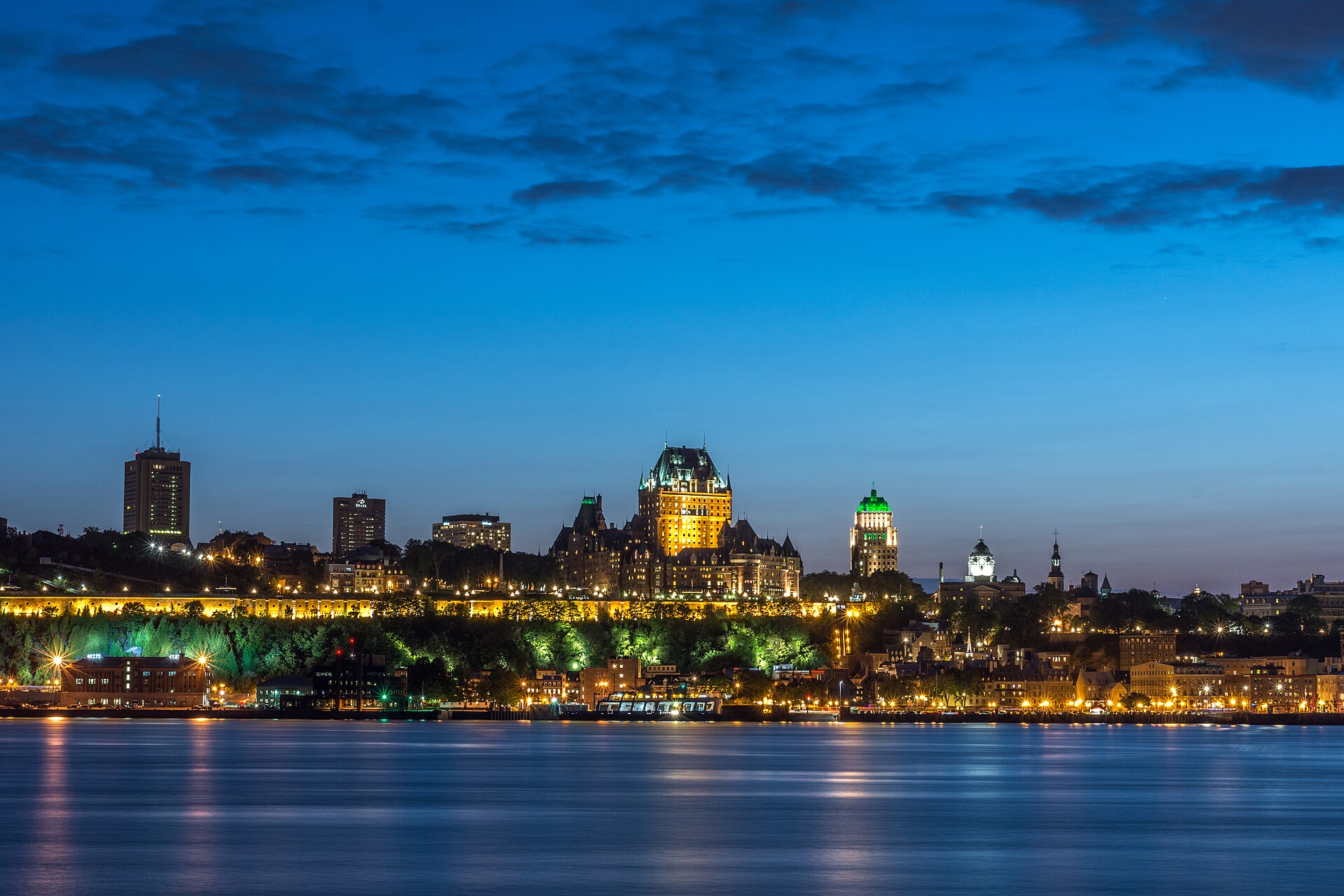
The Château Frontenac operates as a luxury hotel, offering accommodations, restaurants, and various visitor services. Guests can tour portions of the public areas, view historical displays and plaques commemorating the Quebec Conferences, and experience the magnificent architecture and views that made the hotel such a fitting venue for these historic meetings. The hotel's position overlooking the St. Lawrence River and the Old City provides vistas that would have been familiar to Churchill and Roosevelt during their stay.
Planning Your Visit
Related Historical Sites in Quebec City
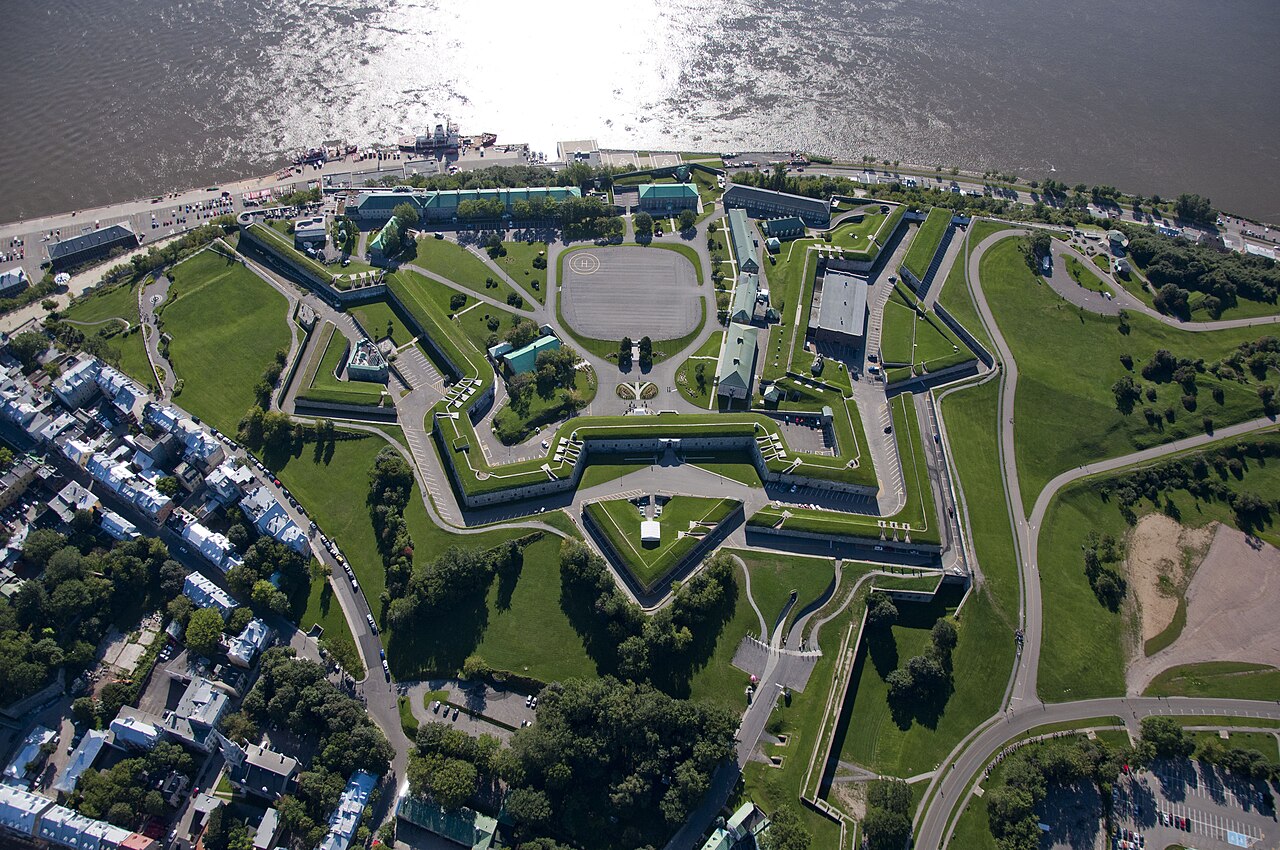
Visitors interested in the Quebec Conferences can also explore other historical sites related to the event. The Citadelle, the massive fortress that overlooks Quebec City, hosted additional discussions between Churchill, Roosevelt, and military commanders during both conferences. Historical markers and plaques throughout the Old City commemorate Canada's role in World War II and the significance of the Quebec Conferences. The Archives of Quebec and various museums also feature exhibits and documents related to these historic meetings.
Explore More Quebec History
Sources & References
- Gilbert, Martin. "Churchill: A Life." Henry Holt and Company, 1991. Comprehensive biography with detailed accounts of the Quebec Conferences.
- Library and Archives Canada. Quebec Conference Records, 1943-1944. Official Canadian government documents and conference proceedings.
- Stacey, C.P. "Arms, Men and Governments: The War Policies of Canada, 1939-1945." Queen's Printer, 1970. Authoritative Canadian perspective on the conferences.
- Churchill, Winston S. "The Second World War: Closing the Ring." Houghton Mifflin Company, 1951. Churchill's own account of the war period.
- Roosevelt Papers, Franklin D. Roosevelt Presidential Library. Official documents and correspondence relating to the conferences.
- Brown, Gordon. "Fortress North America: Building a Canadian-American Military Alliance, 1936-1946." University of Toronto Press, 2009.
- Kimball, Warren F. (ed.). "Churchill and Roosevelt: The Complete Correspondence." Princeton University Press, 1984. Diplomatic correspondence between the leaders.
- Hastings, Max. "The Second World War: A Very Short Introduction." Oxford University Press, 2009. Overview of WWII with conference context.
- McInally, Dennis. "Hinge of Fate: The Bombing Campaign Against Japan." Smithsonian, 1998. Analysis of Pacific War strategy discussed at the conferences.
- Public Archives Canada. "The Quebec Conferences: A Multimedia Historic Site." Parks Canada, 2010. Commemorative documentation and research.